
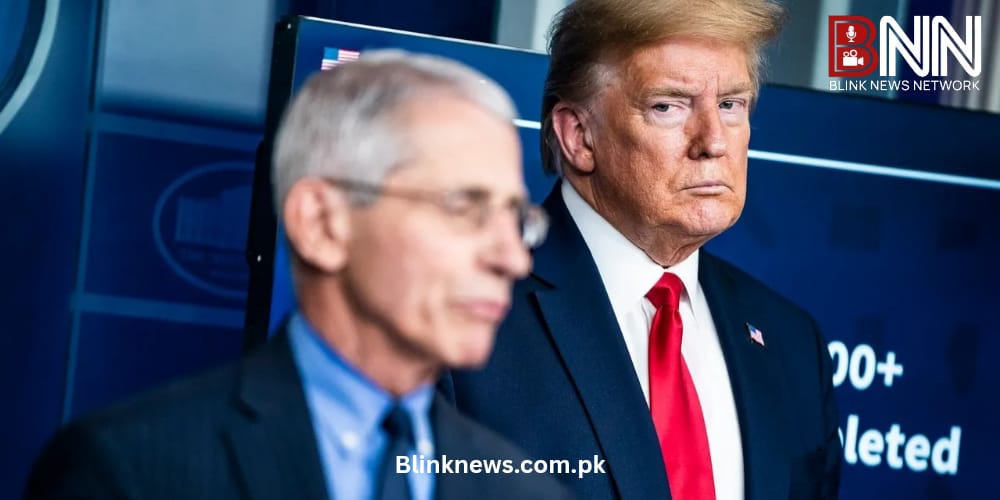
U.S. President Donald Trump has suggested that former top infectious disease expert Dr. Anthony Fauci should face prosecution over his role in the federal government’s response to the COVID-19 pandemic, reviving a long-running political dispute over the handling of the global health crisis.
Speaking during a media appearance, Trump criticized Fauci’s decisions and public messaging during the pandemic, arguing that the former health official should be held accountable for policies that he claims caused significant economic and social damage. While Trump did not specify any criminal charges or present new evidence to support prosecution, his remarks immediately sparked renewed political debate.
Dr. Fauci, who served as director of the National Institute of Allergy and Infectious Diseases for nearly four decades, became one of the leading public faces of the U.S. pandemic response under both the Trump and Biden administrations. Throughout the pandemic, Fauci frequently defended public health measures, including vaccinations, masking, and social distancing, while also facing criticism from some political leaders and sections of the public.
Trump and Fauci often publicly disagreed during the height of the COVID-19 crisis, particularly over lockdown measures, reopening the economy, and federal health guidance. Their relationship deteriorated as the pandemic continued, with Trump repeatedly questioning Fauci’s recommendations.
Supporters of Trump’s latest comments argue that government officials should be held accountable for decisions made during the pandemic. Meanwhile, Fauci’s defenders maintain that he relied on the best available scientific evidence at the time and warn that calls for criminal prosecution without clear legal grounds risk further politicizing public health.
The renewed criticism comes as the United States continues to examine the long-term impact of the pandemic, with lawmakers and investigators reviewing the government’s response and preparedness for future public health emergencies.
Trump’s remarks are expected to intensify political debate ahead of upcoming policy discussions, where COVID-19, public trust in health institutions, and government accountability remain contentious issues.