
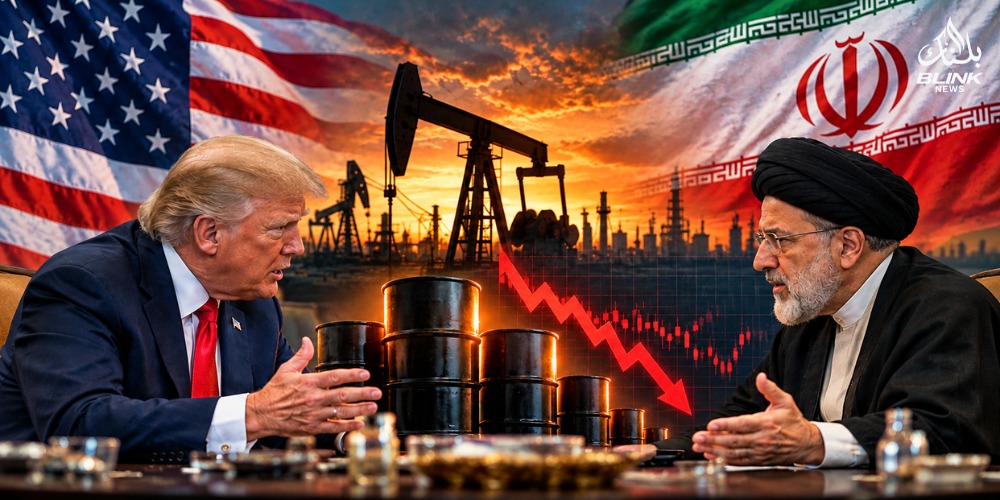
US-Iran truce talks are drawing close attention from energy markets as traders assess whether diplomatic efforts could reduce tensions in the Middle East. Oil prices can react quickly to developments involving Iran because the country is an important oil producer and sits near major energy shipping routes.
The latest focus on US-Iran truce talks has therefore added another layer of uncertainty to an already closely watched crude oil market. Investors are monitoring diplomatic developments, possible changes in regional tensions and any indication that oil supplies could face fewer or greater risks.
For readers following international markets, BlinkNews is tracking the developments as they affect energy prices, global trade and the wider economy.
Why Oil Prices Are Sensitive to Iran Developments
Iran’s Role in Global Oil Supply
Iran has significant oil reserves and remains an important participant in international energy markets. Any development that changes expectations for Iranian oil production, exports or regional stability can influence market sentiment.
When traders believe tensions could ease, concerns about potential supply disruptions may decline. That can place downward pressure on crude prices. On the other hand, renewed tensions can increase the risk premium attached to oil, potentially supporting prices.
This explains why US-Iran truce talks have become an important factor for oil traders watching the Middle East.
Strait of Hormuz Remains a Key Concern
Another major issue is the Strait of Hormuz, a critical waterway for global energy shipments. A substantial amount of oil and other energy products moves through the region.
Any serious disruption to shipping could affect global supply expectations. Even when there is no immediate shortage, the possibility of disruption can influence oil futures as traders attempt to price future risks.
Markets Weigh Possible Truce Against Supply Risks
The oil market is balancing two competing possibilities. A successful reduction in tensions could lower concerns about supply disruptions and improve expectations for regional stability.
At the same time, uncertainty remains while diplomatic discussions develop. Traders typically look beyond headlines and assess whether negotiations can produce a durable agreement and whether any agreement changes conditions on the ground.
For that reason, oil prices may remain sensitive to statements from US and Iranian officials, diplomatic intermediaries and developments involving other countries in the region.
Brent crude and West Texas Intermediate (WTI) are among the key benchmarks watched by international investors. Movements in these benchmarks can influence fuel markets, transportation costs and inflation expectations in many countries.
What Could Happen to Oil Prices?
If tensions ease and the risk of supply disruption falls, the oil market could respond by reducing some of the geopolitical premium built into prices.
However, oil prices are influenced by much more than geopolitics. Global demand, OPEC+ production decisions, inventories, economic growth, refinery activity and US crude production can also affect prices.
This means the impact of US-Iran truce talks may depend on how diplomatic developments interact with these broader market factors.
A sustained improvement in regional stability could be viewed differently from a temporary pause in hostilities. Oil traders are likely to pay attention to whether any truce holds and whether it leads to broader negotiations.
What the Developments Could Mean for Consumers
Changes in international crude prices can eventually affect consumers through fuel prices and other energy-related costs. However, the relationship is not immediate.
Retail fuel prices also depend on taxes, refining costs, transportation expenses, currency movements and government pricing policies. As a result, a change in international oil prices does not necessarily translate into an equal change at petrol stations.
For countries that import large amounts of energy, prolonged oil-price increases can also raise transportation and production costs. Lower crude prices, meanwhile, can reduce some input costs for businesses and consumers.
What Investors Are Watching Next
The next stage of the situation will depend heavily on diplomatic announcements and developments in the region. Markets will be watching for signs of a lasting reduction in tensions, changes in sanctions or oil-export conditions, and any impact on energy transportation.
Investors will also continue monitoring Brent and WTI prices alongside official statements from Washington and Tehran.
The wider question is whether diplomacy can reduce the risks surrounding regional energy supplies. Until there is greater clarity, oil markets may continue reacting to every major development.
Conclusion
The focus on US-Iran truce talks highlights how closely geopolitical developments are connected to global energy markets. Any reduction in tensions could ease concerns about potential supply disruptions, while renewed instability could increase pressure on crude prices.
For now, oil traders and investors are watching diplomatic developments alongside production, demand and shipping conditions. BlinkNews will continue to follow major developments affecting oil prices and the international economy.
FAQs
1. Why are US-Iran truce talks affecting oil prices?
Oil markets are sensitive to developments involving Iran because of its oil production and its proximity to important energy shipping routes. Changes in geopolitical risk can influence expectations for future supply.
2. Can a US-Iran truce lower oil prices?
A sustained reduction in tensions could reduce concerns about supply disruptions and therefore remove some geopolitical risk from oil prices. Other market factors would still influence the final price.
3. What is the Strait of Hormuz?
The Strait of Hormuz is a strategically important waterway between the Persian Gulf and the Gulf of Oman. It is a major route for international energy shipments.
4. Which oil benchmarks should investors watch?
Brent crude and West Texas Intermediate (WTI) are two major international oil benchmarks. Their prices are closely monitored by traders, businesses and financial markets.
5. Will lower crude prices immediately reduce petrol prices?
Not necessarily. Retail fuel prices are also affected by taxes, refining costs, transportation expenses, currency exchange rates and local pricing policies.