
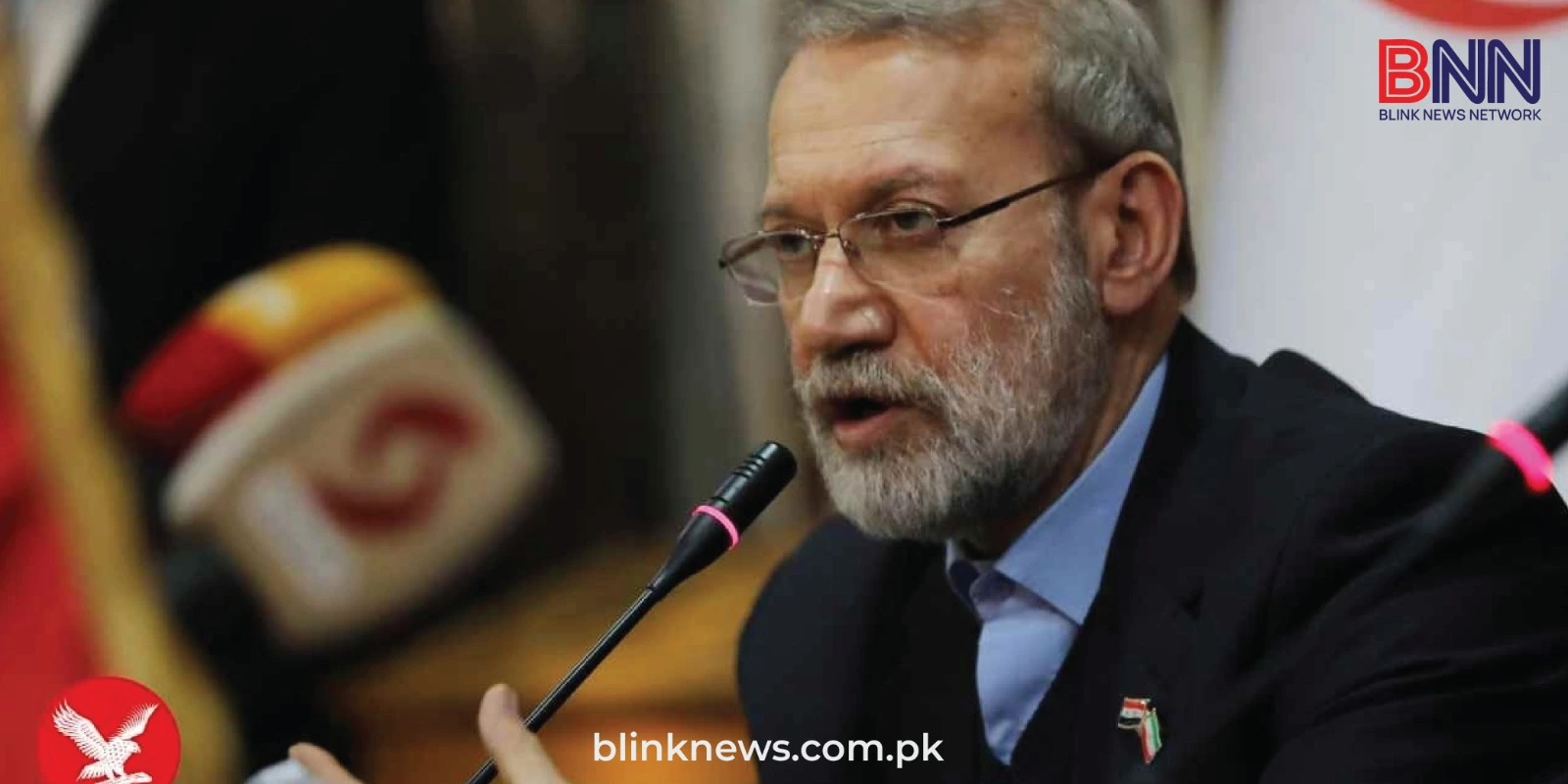
Iran has officially confirmed the death of its top security official, Ali Larijani, following a targeted airstrike that struck at the heart of the country’s political and military leadership. The attack, reported by multiple international sources, also claimed the lives of several of Larijani’s close aides, marking a significant blow to Iran’s national security apparatus amid an already tense regional environment.
Larijani, a veteran politician and influential figure within Iran’s security and strategic circles, had long been considered central to the country’s decision-making on defense and domestic policy. Over the years, he had played a crucial role in coordinating Iran’s security operations, both domestically and in relation to regional conflicts. His sudden death is being described by analysts as a major setback for Tehran’s leadership stability.
According to officials familiar with the matter, the airstrike was part of a wider campaign targeting high-ranking Iranian figures. Details of the perpetrators have not been officially confirmed, though the strike occurs in the context of heightened tensions between Iran, the United States, and Israel. Regional observers warn that such developments could intensify hostilities and increase the likelihood of retaliatory actions by Iran, potentially destabilizing the wider Middle East.
Reactions from the Iranian government have been measured publicly, emphasizing mourning for the loss while reaffirming its commitment to national security. Analysts, however, suggest that the sudden removal of a figure of Larijani’s stature could prompt internal shifts within Iran’s security and political hierarchy, as well as recalibration of strategic priorities in the coming weeks.
Internationally, the news has raised concerns over potential spillover effects. Energy markets are particularly sensitive, with analysts noting that prolonged instability in Iran could influence oil supply routes and global prices. Countries in South Asia, including Pakistan, may experience indirect economic repercussions, given their reliance on imported energy and exposure to fluctuating regional dynamics.
Experts also emphasize the symbolic impact of Larijani’s death. As one of Iran’s most powerful security officials, his passing may affect morale within the country’s military and intelligence services, potentially influencing Iran’s approach to both internal security and regional engagements. Global observers continue to monitor the situation closely, noting that further developments could reshape alliances and military strategies across the Middle East.
As the region reacts to this sudden leadership loss, attention now turns to how Iran will respond to the strike, both in domestic policy and regional strategy. Analysts stress that the coming days could prove critical in determining whether this incident escalates existing tensions or prompts a period of cautious recalibration by Tehran.
Read more posts on Blink News Network