
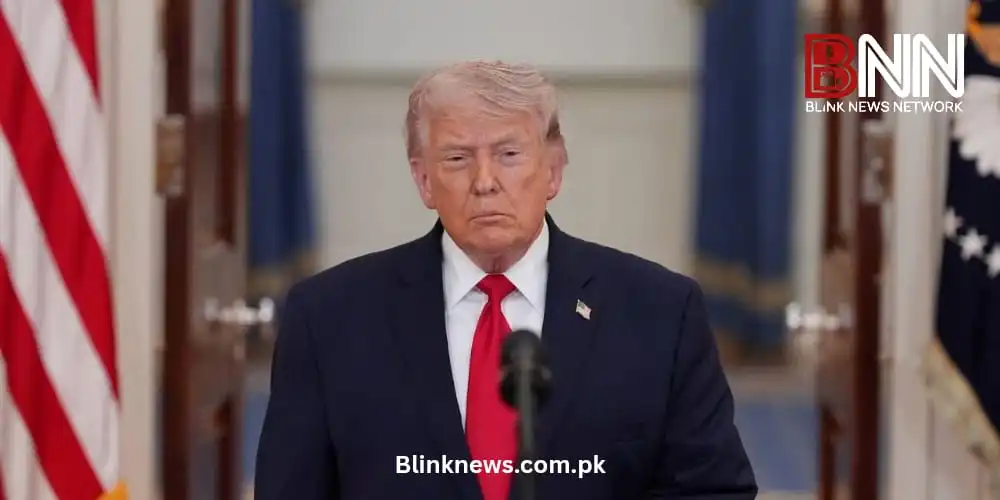
U.S. President Donald Trump has outlined a more cautious approach toward a potential conflict with Iran, signaling that Washington is not seeking direct involvement in a large-scale war. In a recent statement, Trump emphasized that the United States aims to reduce tensions in the region and prioritize diplomatic solutions over military escalation.
The remarks come at a time when relations between the United States and Iran remain fragile, shaped by years of geopolitical rivalry, sanctions, and periodic confrontations. Past incidents, including military standoffs and disputes over nuclear policy, have kept the region on edge. Against this backdrop, Trump’s latest comments appear to reflect a strategic shift toward restraint, even as security concerns persist.
According to the president, avoiding unnecessary conflict is central to current U.S. policy. He stressed that while the United States will fully defend its national security interests, it does not intend to initiate war without clear justification. Trump also underscored the importance of handling relations with Iran carefully, noting that missteps could trigger a broader confrontation with far-reaching consequences.
Officials familiar with the matter indicated that the administration is weighing diplomatic channels alongside strategic deterrence. Trump’s statement suggests that Washington is seeking to balance firmness with caution, maintaining readiness while leaving room for negotiations. He added that, should the situation deteriorate, the United States would coordinate closely with its allies before taking any major decision.
Analysts view this stance as significant, particularly in light of ongoing tensions in the Middle East. Experts say the emphasis on diplomacy may help lower the immediate risk of escalation, although much will depend on actions taken by both sides in the coming weeks. Regional observers also note that such messaging could reassure international partners concerned about the possibility of a sudden military conflict.
At the same time, Trump’s comments leave open the possibility of a stronger response if circumstances demand it. His reference to collective decision-making with allies indicates that any future steps would likely involve a coordinated international approach rather than unilateral action.
For now, the statement offers a clearer picture of Washington’s current thinking. It signals a preference for stability and negotiation, even as underlying tensions remain unresolved. As developments unfold, attention will focus on whether diplomatic efforts can ease the situation or if new incidents could once again push the region closer to confrontation.