
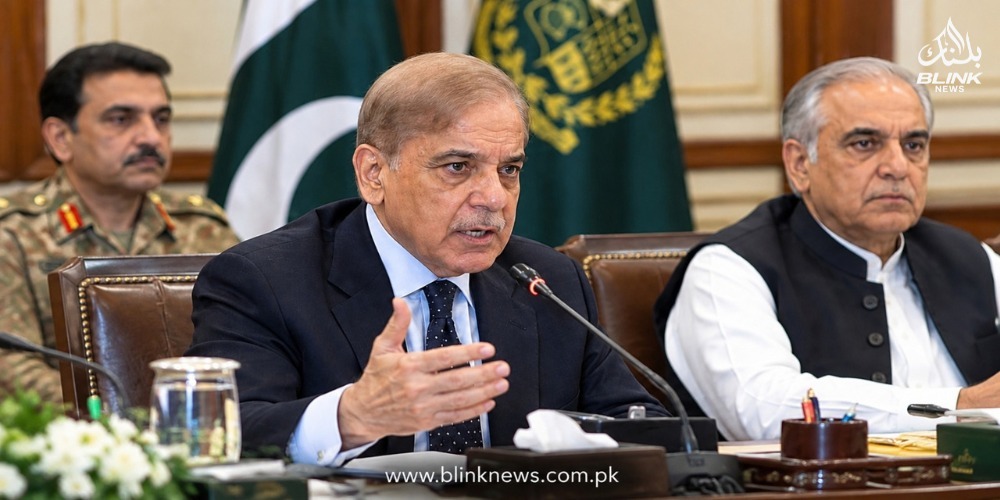
The government has announced a clear position that it will not provide concessions in response to protests, unrest, or activities that disrupt public order. The announcement comes amid continued political tensions in Pakistan, where demonstrations and political disagreements can quickly affect daily life, traffic, business activity, and public services.
According to the position reflected in the latest government statement, authorities intend to deal with unrest within the framework of law rather than respond to pressure created through disruption. The government has also emphasized the importance of maintaining public order while allowing lawful political activity.
For readers following political developments, BlinkNews will continue to monitor official statements and developments related to the government’s protest policy and the wider political situation in Pakistan.
Government Takes Firm Position on Protests
The government’s latest stance indicates that it does not intend to make concessions simply because of pressure created through protests or unrest. Officials have stressed that political disagreements should be addressed through legal and constitutional channels.
The Government Protest Policy Pakistan position is focused on maintaining state authority and preventing demonstrations from turning into situations that affect public safety or essential services.
Political parties and their supporters regularly use demonstrations to express opposition, demand policy changes, or highlight political issues. However, the government has drawn a distinction between lawful political expression and activities that may result in violence, property damage, road blockages, or wider disruption.
Focus on Law and Public Order
Peaceful Demonstrations and Legal Limits
Peaceful demonstrations are an established form of political expression. At the same time, authorities have responsibilities concerning public safety and the uninterrupted functioning of cities and public institutions.
The government’s position suggests that protests must remain within legal boundaries. Where demonstrations are conducted peacefully and according to applicable laws, the situation can be managed through established administrative and legal procedures.
The key concern for authorities is the possibility of protests developing into broader unrest. Large gatherings can create challenges for traffic, businesses, emergency services, schools, and other public facilities.
Action Against Disruption and Unrest
The government has indicated that activities causing serious disruption will not automatically result in concessions. Instead, authorities are expected to rely on existing laws and law-enforcement mechanisms.
This approach places emphasis on preventing public disorder while maintaining normal civic activities. The Government Protest Policy Pakistan stance also reflects the broader debate over how governments should respond when political demonstrations affect public life.
Any enforcement measures, however, remain subject to the applicable legal framework and judicial oversight.
Political Parties Urged to Follow Legal Channels
The government’s announcement also highlights the importance of resolving political disagreements through constitutional and democratic mechanisms.
Pakistan’s political environment has frequently seen disagreements between governments and opposition parties. Demonstrations, rallies, negotiations, parliamentary proceedings, and court processes can all become part of political disputes.
The government is now signaling that pressure through unrest will not necessarily lead to policy concessions. Instead, political stakeholders are being encouraged to use institutional channels for presenting their demands.
For opposition parties, the development may mean greater emphasis on parliamentary activity, legal challenges, negotiations, and organized but lawful political campaigns.
Impact on Political Stability in Pakistan
Political protests can have effects beyond the immediate political dispute. Extended demonstrations may affect transport, commercial activity, investment sentiment, and access to public services.
A stable public environment is important for businesses and citizens. At the same time, political participation and the right to express disagreement remain important components of a democratic system.
The challenge for authorities is therefore to maintain public order while ensuring that lawful political expression can take place. How this balance is managed could influence the broader political environment in Pakistan.
The government’s Government Protest Policy Pakistan approach places public order and enforcement of existing rules at the center of its response.
What the Government’s Position Means
The announcement sends a message that protests alone will not be treated as a basis for government concessions. Instead, officials appear focused on dealing with political disputes through legal and institutional mechanisms.
For citizens, the practical impact will depend on how authorities implement this approach in individual situations. The response to future demonstrations may vary according to their size, location, conduct, and compliance with applicable laws.
Political parties and civil society groups are also likely to remain important participants in discussions about protest rights, public safety, and political stability.
Conclusion
The government’s decision not to offer concessions in response to protest-related pressure marks a firm position on demonstrations and unrest. Authorities are emphasizing law, public order, and institutional channels as the preferred way of handling political disagreements.
As political activity continues across Pakistan, the balance between peaceful political expression and maintaining public order will remain an important issue. BlinkNews will continue covering verified developments, official statements, and major updates concerning protests, political negotiations, and the country’s law-and-order situation.