
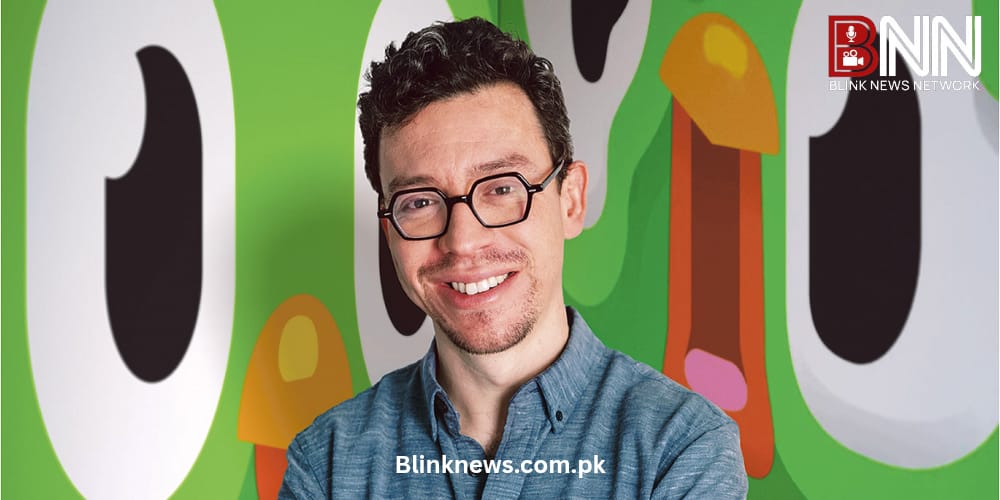
Duolingo has quietly become one of the most downloaded apps on the planet and its CEO, Luis von Ahn, says the secret is deceptively simple: make people feel bad about quitting.
Speaking at a recent technology conference, von Ahn explained that Duolingo’s addictive pull isn’t accidental. The platform was engineered from the ground up using behavioral psychology principles, most notably the concept of “streak anxiety.” Users who maintain a daily learning streak grow deeply attached to protecting it, often logging in just to avoid losing their progress even when they have no real intention of studying.
“We’re not trying to teach you a language,” von Ahn reportedly said. “We’re trying to get you to come back tomorrow.”
That philosophy shows up everywhere in the product. The green owl mascot, Duo, has become internet-famous for its passive-aggressive reminders. Push notifications guilt users into returning. Leaderboards pit friends against one another. Every feature, down to the sound effects and animations, is designed to trigger a dopamine response.
Von Ahn also pointed to the app’s low barrier to entry as a critical growth driver. Lessons are short often under five minutes which removes the psychological resistance that comes with committing to a serious study session. Users tell themselves they’re “just doing one quick lesson,” and then the streak mechanism pulls them back the next day, and the day after that.
The strategy is working. Duolingo now boasts over 500 million registered users, with daily active users growing by more than 60% year-over-year, according to the company’s most recent earnings report.
Critics have raised questions about whether Duolingo’s gamification actually produces fluent speakers, or simply fluent app-openers. Von Ahn doesn’t entirely disagree but he argues that showing up consistently is the first battle, and Duolingo has cracked the code on winning it.