
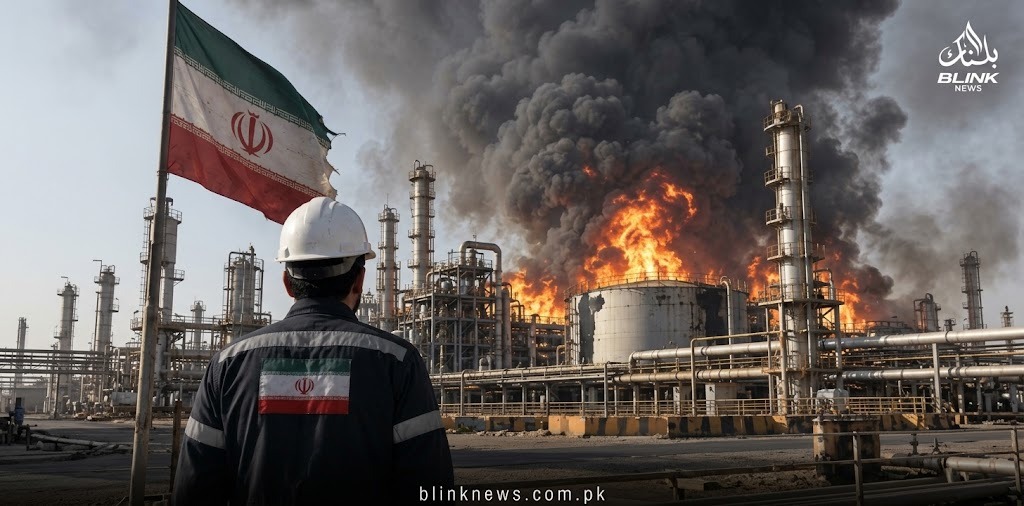
The Middle East energy infrastructure has reportedly suffered serious disruption during the Iran conflict, according to a report cited from a U.S. newspaper. The reported damage has increased concerns about the security of oil, gas and power facilities across a region that plays a major role in global energy supplies.
Energy infrastructure in the Middle East includes oil production sites, refineries, natural gas facilities, pipelines, storage terminals, electricity plants and export networks. Any major disruption to these facilities can create wider economic and supply concerns, particularly when tensions remain high.
Middle East Energy Infrastructure Faces Growing Pressure
The reported impact on Middle East energy infrastructure highlights the vulnerability of critical energy facilities during military conflicts. Oil and gas installations are often strategically important because they support domestic consumption as well as international exports.
According to the reported U.S. newspaper account, energy-related infrastructure has been among the areas affected during the conflict involving Iran. The extent and location of individual damage should be assessed through official statements and independently verified reporting as information develops.
The situation is being closely watched because disruptions to energy facilities can affect production, transportation and distribution at the same time.
Why Energy Facilities Matter
The Middle East is a major part of the global energy system. Several countries in the region are important producers and exporters of crude oil and natural gas.
Energy facilities also depend on interconnected systems. Production sites require electricity and transportation networks, while export terminals depend on pipelines, ports and storage facilities. Damage to one part of the network can therefore create difficulties elsewhere.
This makes energy infrastructure damage a significant concern beyond the immediate conflict zone.
Iran Conflict Raises Energy Security Concerns
The Iran conflict has increased attention on regional energy security. Any threat to oil and gas facilities, shipping routes or electricity networks can influence how governments and businesses assess supply risks.
Markets can also react to uncertainty even when the actual reduction in energy production is limited. Traders may monitor possible disruptions to crude oil output, natural gas supplies, shipping activity and export infrastructure.
For consumers, prolonged disruption could create pressure through higher transportation, electricity and production costs. Businesses that depend heavily on fuel and energy may also face increased operating expenses.
Impact on Oil and Gas Infrastructure
Oil and gas infrastructure is particularly important during periods of geopolitical tension. Facilities can include drilling operations, processing plants, refineries, pipelines and export terminals.
Damage to these assets can reduce operational capacity or require temporary shutdowns for safety inspections and repairs. Even facilities that are not directly damaged may face operational challenges if workers, transportation routes or supporting utilities are disrupted.
The reported situation therefore places renewed attention on the resilience of Middle East energy infrastructure and the ability of countries to maintain energy supplies during conflict.
Global Energy Markets Watching Developments
International energy markets are likely to remain sensitive to developments in the region. The Middle East’s role in global oil and gas production means that sustained disruption could have consequences for importers and energy-dependent economies.
However, the eventual market impact will depend on several factors, including the duration of the conflict, the scale of infrastructure damage, production levels, shipping conditions and the availability of alternative supplies.
It is also important to distinguish between reported damage to individual facilities and a broader, sustained reduction in regional energy production. These are not necessarily the same.
What Could Happen to Regional Energy Supplies?
The future impact will depend largely on how the conflict develops and how quickly damaged facilities can be assessed and restored.
Governments and energy companies may increase security around critical facilities and review emergency response plans. Countries that rely on imports may also examine alternative suppliers and strategic reserves.
For energy producers, maintaining reliable operations could become a priority as concerns about Middle East energy security continue.
International agencies, governments and energy companies are expected to monitor infrastructure conditions closely. Further verified information will be important for determining the actual scale of the disruption.
Conclusion
The reported damage to Middle East energy infrastructure during the Iran conflict has highlighted the vulnerability of critical oil, gas and power facilities during periods of geopolitical instability.
While the full extent of the reported damage requires continued verification, any prolonged disruption to energy infrastructure could have consequences for regional supplies, energy security and international markets.
The situation remains fluid, and further official statements and independently verified reports will be needed to establish the long-term impact on the region’s energy system.
FAQs
1. What happened to Middle East energy infrastructure during the Iran conflict?
A U.S. newspaper report cited in the headline says that energy infrastructure in the region was severely affected during the conflict. The exact scale of damage requires continued independent verification.
2. Why is Middle East energy infrastructure important?
The region contains major oil and natural gas production and export facilities. Disruptions can therefore affect regional energy supplies and potentially influence international markets.
3. Could the Iran conflict affect global oil prices?
Conflict-related uncertainty can influence oil markets because traders consider potential disruptions to production, transportation and exports. The actual effect depends on the duration and scale of any supply disruption.
4. Which energy facilities can be affected during a conflict?
Potentially affected infrastructure can include oil fields, refineries, gas facilities, pipelines, storage sites, power plants, ports and export terminals.
5. What happens if energy infrastructure remains damaged?
Extended damage can reduce production or transportation capacity, increase repair and operating costs, and create additional pressure on regional energy supplies and security.