
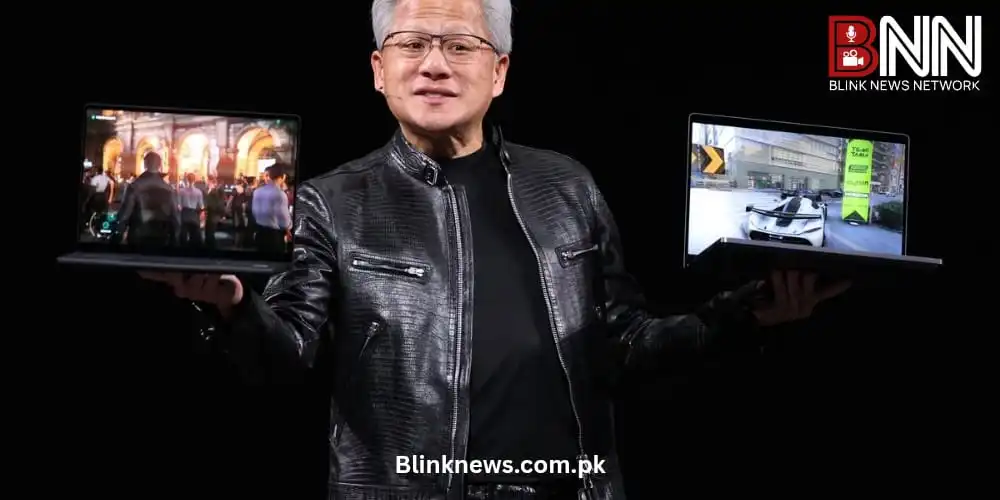
In a significant move aimed at expanding its presence in the consumer PC market, NVIDIA has unveiled a new chip designed specifically for Windows-powered laptops. The launch marks the company’s latest effort to strengthen its position in the rapidly evolving personal computing industry.
The newly introduced processor combines advanced artificial intelligence capabilities with high-performance computing, enabling faster processing speeds, improved graphics performance, and enhanced power efficiency. Nvidia expects the chip to power a new generation of Windows laptops capable of handling demanding AI workloads, gaming, content creation, and productivity tasks.
Industry analysts view the launch as a strategic step by Nvidia to compete more aggressively in the consumer computing segment. The company has already established itself as a dominant force in AI infrastructure and graphics processing units, and it now aims to bring that expertise directly to everyday laptop users.
Manufacturers are expected to integrate the new chip into upcoming Windows devices, offering consumers improved battery life, seamless AI-powered features, and enhanced multitasking performance. The move aligns with growing demand for AI-enabled personal computers as technology companies race to introduce smarter and more efficient hardware solutions.
The announcement also highlights Nvidia’s commitment to expanding beyond its traditional gaming and data center markets. By targeting Windows laptops, the company hopes to capitalize on the increasing adoption of AI-powered applications and next-generation computing experiences.
Market observers believe the launch could intensify competition among leading chipmakers as the PC industry enters a new era driven by artificial intelligence. Consumers may benefit from faster, more capable laptops equipped with advanced AI features that improve productivity and user experiences.
With this latest product introduction, Nvidia reinforces its ambition to become a key player in the future of consumer computing while accelerating the integration of AI into everyday devices.