
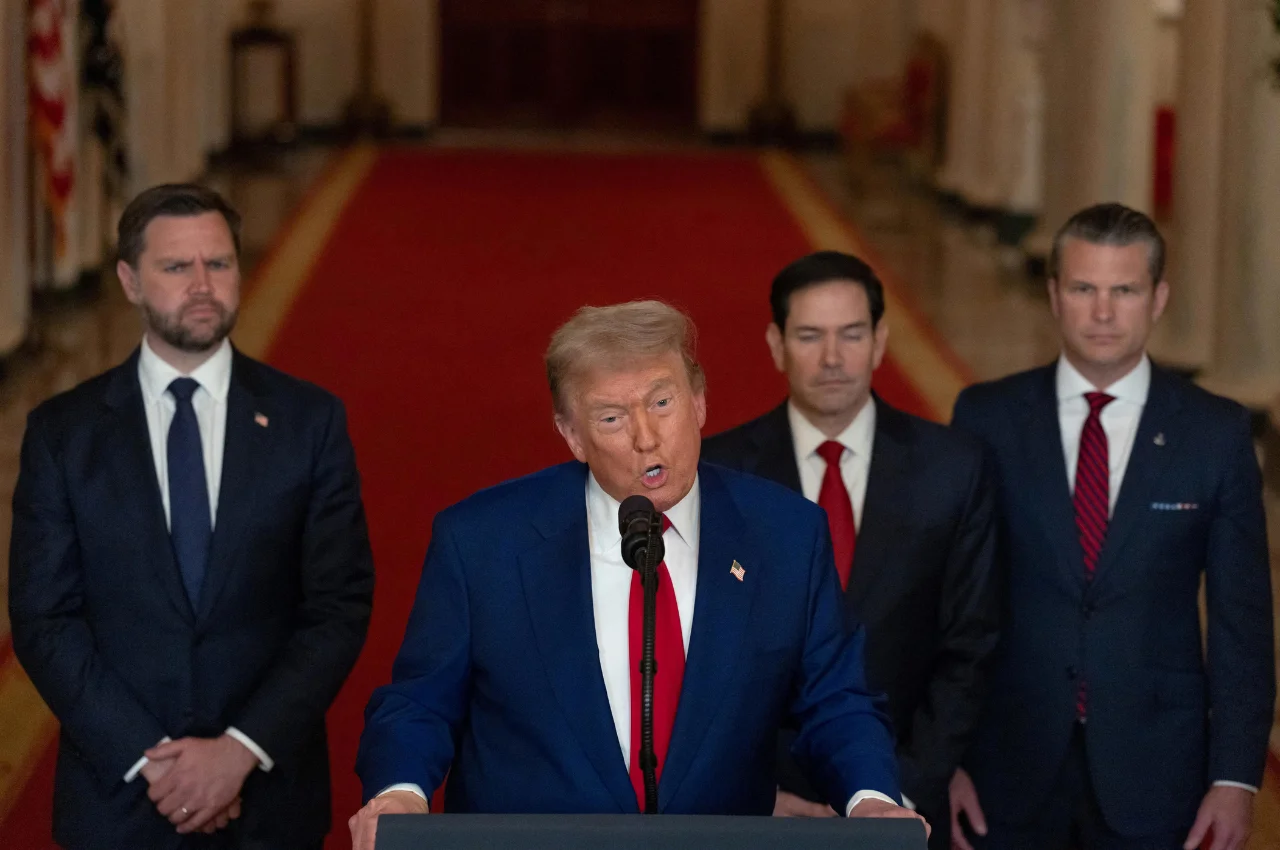
More than 9,000 Americans evacuated from middle east, President Donald Trump confirmed on Tuesday, describing the operation as a carefully coordinated effort by multiple U.S. government agencies. In a public statement, Trump emphasized that the safety and security of Americans abroad remain a top priority for his administration.
The evacuation comes amid heightened tensions in parts of the region, where political instability and security concerns have raised alarms for foreign nationals. Officials familiar with the matter stated that the operation involved a combination of diplomatic coordination, logistical planning, and collaboration between the State Department, U.S. military units, and intelligence agencies. The effort reportedly ensured that citizens were transported back to the United States in a phased and controlled manner.
According to Trump, the withdrawal was executed “systematically and safely,” underscoring the government’s commitment to protecting its citizens. He praised the efforts of the officials and agencies involved, stating that the operation reflects the government’s responsibility to secure Americans living or traveling abroad. “The United States does not leave its citizens behind,” Trump said, noting that further actions could be undertaken if the situation in the region demands it.
Analysts point out that large-scale evacuations such as this require extensive planning, particularly when they involve thousands of individuals across multiple countries. Ensuring the safety of citizens while coordinating transportation, border clearances, and diplomatic channels is a complex undertaking, often involving contingency measures to adapt to evolving threats on the ground. In this instance, U.S. officials reportedly maintained continuous monitoring of the regional security environment to time the evacuations effectively.
The Trump administration has faced criticism in the past over its handling of overseas crises, making the successful return of these citizens a notable point of emphasis. Officials highlighted that the phased approach allowed authorities to manage the process without overloading transport or security infrastructure, and reduced potential risks to evacuees and personnel involved.
Public reaction to the announcement was mixed. Families of those evacuated expressed relief, with some describing the operation as “a reassurance that Americans are not left vulnerable abroad.” Meanwhile, experts caution that while the immediate evacuation addresses the current safety concerns, the broader regional instability may continue to pose challenges for both U.S. citizens and policy-makers.
Trump also noted that the government will maintain vigilance over the situation in the Middle East, ready to implement additional measures if necessary. His statement suggested ongoing monitoring and a willingness to respond proactively to any emerging threats that could affect Americans in the region. The White House did not disclose specific locations of the evacuees for security reasons, citing operational sensitivity.
The scale and speed of this evacuation underscore the logistical capabilities of the U.S. government and the emphasis placed on citizen protection in foreign territories. Observers say that such operations highlight the intersection of diplomacy, security planning, and crisis management in modern foreign policy.
As the situation in the Middle East continues to evolve, the U.S. administration’s next steps will likely focus on both maintaining regional situational awareness and ensuring that Americans abroad can return safely if conditions worsen. Officials and citizens alike will be closely watching how the government balances security concerns with diplomatic engagement in the months ahead.
Read more posts on Blink News Network