
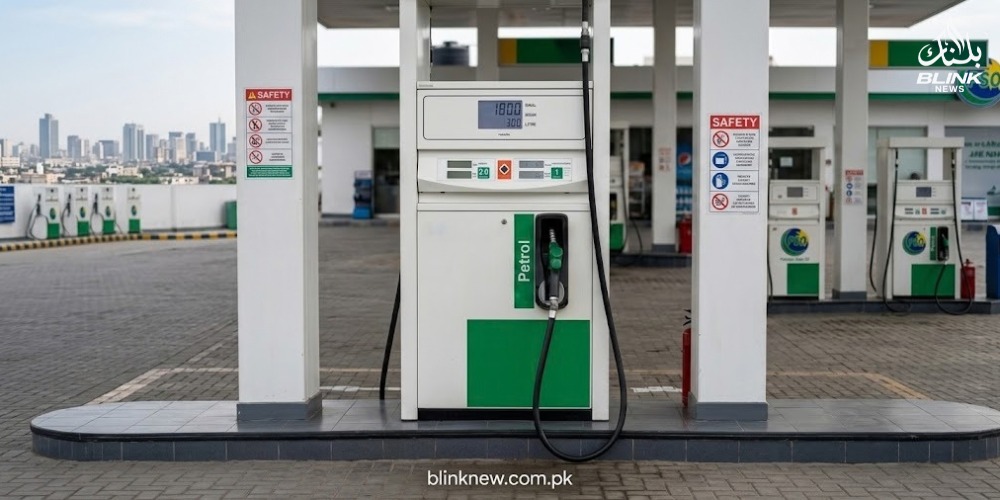
Pakistan’s petrol market is facing renewed attention as the Pakistan petrol price Rs391.30 per litre becomes a major point of discussion amid rising fuel costs, taxes, and government levies. The sharp price level is putting additional pressure on motorists, transport operators, businesses, and households already dealing with elevated living costs.
Fuel prices remain closely linked to international oil markets, exchange-rate movements, import costs, and domestic taxation. In Pakistan, the final price paid by consumers includes several components beyond the basic cost of petroleum.
For consumers following the latest developments, BlinkNews provides updates on petrol prices, government decisions, and their potential impact on everyday expenses.
Why Has Petrol Become So Expensive in Pakistan?
The Pakistan petrol price Rs391.30 per litre reflects the combined effect of petroleum costs and various taxes and charges applied before fuel reaches consumers.
International crude oil prices are an important factor. Pakistan imports a significant portion of its petroleum requirements, meaning changes in global oil prices can directly affect the country’s fuel import bill.
The exchange rate is another major consideration. When the Pakistani rupee loses value against the US dollar, imported petroleum products can become more expensive in local currency.
However, the price consumers see at fuel stations is not simply the international price of crude oil. Government taxes, petroleum levies, distribution margins, and other components can substantially increase the final retail price.
Role of Petroleum Levy and Other Taxes
The petroleum levy is one of the key components of Pakistan’s fuel pricing structure. Governments can use petroleum taxation as a source of revenue while also managing the fiscal impact of fuel subsidies.
Sales-related taxes and other charges can further increase the amount consumers pay at petrol stations.
Because fuel is essential for transportation and logistics, higher taxation on petroleum products can have effects beyond motorists. Businesses that depend on road transportation may face higher operating expenses, which can eventually influence the prices of goods and services.
Impact on Pakistani Consumers
The petrol price in Pakistan has a direct impact on millions of motorists. Higher fuel costs mean drivers need to spend more on daily commuting, particularly people who travel long distances for work or education.
Transport companies can also face higher expenses. Buses, trucks, delivery vehicles, and ride-hailing services all depend heavily on fuel or other forms of energy.
When transportation becomes more expensive, businesses may adjust delivery charges or product prices to compensate for increased operating costs.
This can create additional pressure on household budgets, particularly when food, utilities, healthcare, and other essential expenses are already rising.
Effect on Businesses and Transportation
Higher fuel prices in Pakistan can affect almost every part of the supply chain.
Agricultural producers use fuel for machinery, irrigation, and transportation. Manufacturers rely on logistics networks to move raw materials and finished products. Retailers also depend on trucks and delivery vehicles to transport goods.
As fuel expenses increase, businesses may have to absorb higher costs or pass some of them to customers.
The trucking and logistics sectors are particularly sensitive to changes in petrol and diesel prices. A sustained increase in fuel expenses can raise freight charges and increase the cost of moving products between cities.
Inflation Concerns
Fuel prices can also influence inflation because transportation is connected to numerous sectors of the economy.
An increase in fuel costs does not automatically mean every product will become more expensive by the same amount. However, transportation and production costs can contribute to broader price pressures.
For this reason, changes in petroleum prices are closely watched by consumers, businesses, financial analysts, and policymakers.
What Determines Future Petrol Prices?
Future Pakistan petrol price Rs391.30 per litre levels will depend on several factors rather than one single variable.
International crude oil prices will remain important, particularly because Pakistan relies on imported petroleum. Currency movements can also change the local cost of imports.
Government decisions regarding petroleum levy rates, taxes, subsidies, and pricing formulas can further influence the retail price.
Global geopolitical developments may also affect oil supply and international energy markets. Any significant disruption in major oil-producing regions can potentially create volatility in crude prices.
Government Revenue vs Consumer Pressure
Petroleum taxation presents a difficult balance for policymakers. Fuel taxes can provide important government revenue, but higher fuel costs can place additional pressure on households and businesses.
At the same time, reducing fuel taxes could lower the price paid by consumers but may reduce government revenue or increase fiscal pressure.
The debate surrounding petrol taxes and levies therefore involves both public finances and household affordability.
For motorists, the key concern remains the amount they must pay at the pump and how fuel prices affect their monthly budgets.
Conclusion
The Pakistan petrol price Rs391.30 per litre highlights the significant role that taxes, petroleum levies, international oil prices, import costs, and currency movements play in determining fuel prices.
For ordinary consumers, expensive petrol can increase commuting expenses and indirectly raise transportation and business costs. For the government, petroleum taxation remains an important source of revenue.
As global energy markets and domestic economic conditions continue to change, motorists and businesses will closely monitor future decisions on fuel pricing. BlinkNews will continue covering major developments involving petrol prices, petroleum taxation, and Pakistan’s economy.