
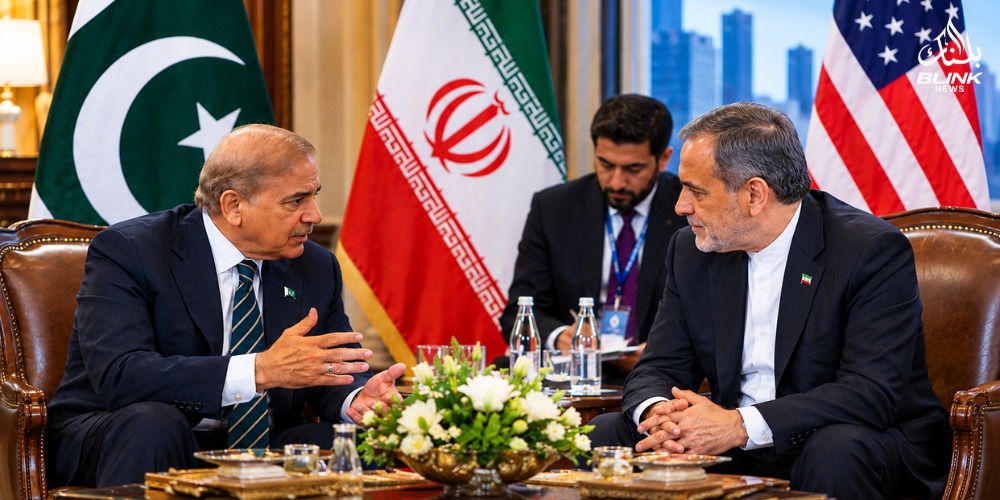
Pakistan has called for US-Iran de-escalation as tensions between Washington and Tehran continue to raise concerns about wider instability in the Middle East. Islamabad’s position reflects its stated preference for dialogue, diplomatic engagement and peaceful resolution of disputes rather than further military escalation.
The situation has attracted international attention because prolonged confrontation between the United States and Iran could have consequences beyond the two countries. Energy markets, regional security, trade routes and neighboring states could all be affected if tensions continue to increase.
For readers following the latest developments, BlinkNews is tracking the situation and the broader diplomatic response surrounding the United States, Iran and Pakistan.
Pakistan Calls for Restraint and Dialogue
Pakistan’s diplomatic approach has traditionally emphasized dialogue and peaceful settlement of disputes. In the context of rising US-Iran tensions, Islamabad has stressed the importance of avoiding actions that could further increase instability in the region.
The call for Pakistan urges US-Iran de-escalation comes at a time when governments across the region are closely monitoring developments. Any major escalation could create additional security and economic challenges for countries located close to the Middle East.
Pakistan also shares a long border with Iran, making regional stability particularly important for Islamabad. Developments in Iran can have direct implications for border security, trade, transportation and cross-border communities.
Why De-escalation Matters
De-escalation generally involves reducing military or political tensions and creating space for diplomatic communication. For the US and Iran, such an approach could help prevent a wider confrontation.
The international community has repeatedly emphasized the importance of diplomatic channels during periods of heightened tension. Dialogue can provide governments with opportunities to address disagreements without allowing individual incidents to trigger a larger crisis.
US-Iran Tensions Raise Regional Concerns
Relations between Washington and Tehran have remained complicated for decades, with disagreements involving security, sanctions, nuclear policy and regional influence.
Periods of confrontation have frequently created uncertainty for neighboring countries. A prolonged crisis could affect oil supplies, shipping routes and investor confidence, while additional military activity could increase humanitarian and security concerns.
For Pakistan, developments involving Iran require careful diplomatic consideration. Islamabad maintains important economic, cultural and geographic links with its western neighbor while also maintaining relations with the United States and other international partners.
This places Pakistan in a position where regional stability remains an important foreign-policy concern.
Pakistan’s Diplomatic Position
Pakistan’s appeal for US-Iran de-escalation is consistent with Islamabad’s broader emphasis on diplomacy in regional conflicts. Pakistani officials have previously highlighted the importance of dialogue, sovereignty and peaceful dispute resolution in international affairs.
Rather than becoming directly involved in confrontation, Pakistan has an interest in encouraging diplomatic engagement between the parties involved.
Such a position also reflects concerns about the possible consequences of a broader regional conflict. Instability could increase pressure on neighboring countries through economic disruption, population movement and heightened security requirements.
Impact on Pakistan
Any major escalation in the Middle East could potentially affect Pakistan through several channels.
Energy prices are one important concern. Pakistan relies significantly on imported energy, meaning international oil-market volatility can influence transportation costs, electricity generation and inflation.
Trade and transportation could also be affected if important regional shipping routes face disruption. In addition, Pakistan shares a significant border with Iran, making developments there relevant to border management and regional security.
These factors help explain why Islamabad has an interest in reducing tensions and encouraging diplomatic solutions.
International Focus on Diplomacy
The call for Pakistan urges US-Iran de-escalation adds to broader international efforts aimed at preventing further escalation. Diplomatic engagement can help establish communication channels and reduce the risk of misunderstandings between opposing sides.
For countries in the region, avoiding a wider conflict remains an important concern. Governments must balance national security interests with economic priorities and humanitarian considerations.
BlinkNews will continue to follow developments involving Pakistan, Iran, the United States and other regional actors as further statements and diplomatic initiatives emerge.
What Happens Next?
The direction of US-Iran relations will depend on future diplomatic contacts, official statements and developments on the ground. If tensions decline, countries across the region could benefit from greater economic and security stability.
If confrontation increases, however, governments including Pakistan may face additional diplomatic and economic challenges.
For Islamabad, maintaining communication with relevant regional and international partners could remain an important part of its response.
Conclusion
Pakistan’s call for US-Iran de-escalation highlights Islamabad’s emphasis on restraint, dialogue and regional stability. With Pakistan geographically close to Iran and economically connected to wider regional markets, developments between Washington and Tehran have implications for Islamabad as well.
The coming period will be closely watched as diplomatic efforts continue and governments assess the potential economic and security consequences of further escalation. For now, calls for dialogue and restraint remain central to efforts aimed at preventing a wider regional crisis.
Frequently Asked Questions
1. Why is Pakistan urging US-Iran de-escalation?
Pakistan has an interest in regional peace and stability because it shares a border with Iran and maintains economic and diplomatic relations with countries across the region.
2. What does US-Iran de-escalation mean?
De-escalation means reducing political or military tensions and creating opportunities for dialogue and diplomatic negotiations instead of further confrontation.
3. How could US-Iran tensions affect Pakistan?
Higher regional tensions could affect Pakistan through energy prices, trade disruptions, transportation costs, border-security concerns and broader economic uncertainty.
4. Why is Iran important to Pakistan?
Iran is Pakistan’s neighboring country and shares a long land border with it. The two countries have economic, cultural, security and regional connections.
5. Will Pakistan mediate between the US and Iran?
Pakistan’s call for dialogue does not necessarily mean that it will act as a formal mediator. Its position can instead be understood as support for diplomacy, restraint and peaceful resolution of disputes.