
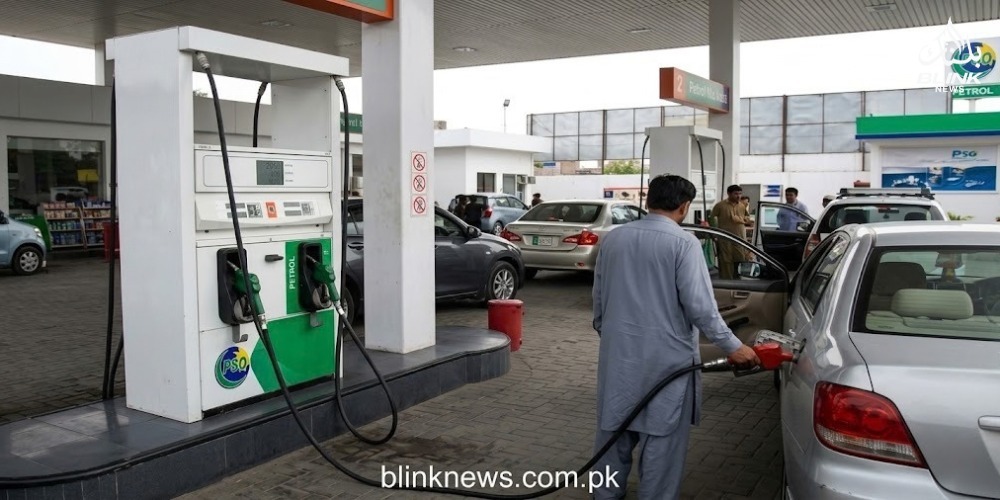
The Petrol Price in Pakistan has been reduced by Rs2.27 per litre, bringing the new petrol rate down to Rs389.03 per litre. The latest reduction provides some relief to motorists and other fuel consumers amid continued pressure from high transportation and energy costs.
The revised rate is expected to affect household travel expenses, public transport operators, businesses and industries that depend heavily on petroleum products. BlinkNews will continue to track developments surrounding fuel prices and their impact on consumers across Pakistan.
Petrol Price Reduced by Rs2.27 Per Litre
According to the latest announcement, the price of petrol has been cut by Rs2.27 per litre. Following the reduction, petrol will now be available at Rs389.03 per litre.
The adjustment comes as the government reviews petroleum product prices based on factors including international oil prices, exchange-rate movements, taxation and other components included in the domestic fuel pricing mechanism.
The Petrol Price in Pakistan remains closely watched because petrol is widely used by private motorists, motorcycles, public transport and commercial vehicles.
Why Petrol Prices Matter to Consumers
Changes in petrol rates can have an impact beyond the fuel station. Transportation is an important part of the supply chain for food, consumer goods and industrial products.
When fuel costs rise, businesses may face higher expenses for transporting raw materials and finished products. These costs can eventually influence prices paid by consumers.
A reduction, on the other hand, can provide some relief to people who rely on private vehicles for daily commuting. Motorcycle riders, car owners, delivery workers and commercial transport operators are among those who directly feel changes in fuel rates.
Impact on Transportation Costs
The latest reduction could help reduce fuel expenses for motorists, although the actual monthly saving will depend on vehicle mileage and the amount of petrol consumed.
For public transport operators, the effect can also depend on other operating costs, including maintenance, spare parts, wages and route-related expenses. Therefore, a change in the petrol rate does not automatically result in an equivalent reduction in transport fares.
Factors Behind Pakistan’s Fuel Price Changes
Pakistan’s domestic fuel rates are influenced by several economic factors. International crude oil prices are particularly important because Pakistan imports a significant portion of its petroleum requirements.
The exchange rate is another major consideration. Since imported petroleum is generally purchased in foreign currency, movements in the rupee can affect the cost of imported fuel.
Taxes, duties and the petroleum levy also contribute to the final retail price. Government decisions regarding these components can therefore influence the amount consumers pay at fuel stations.
International Oil Market
Global oil market conditions can change rapidly because of supply disruptions, geopolitical developments, production decisions and changes in global demand.
These international movements are considered when domestic petroleum prices are reviewed. As a result, consumers in Pakistan can see fuel prices change even when local demand remains relatively stable.
What the New Petrol Rate Means for the Economy
The revised Petrol Price in Pakistan could offer limited short-term relief to fuel consumers. Lower petrol prices can reduce some direct transportation expenses for individuals and businesses.
However, the broader economic impact depends on the direction of other petroleum products, inflation, exchange rates and international energy markets.
Diesel prices are also important for Pakistan’s economy because diesel is widely used in freight transportation, agriculture, construction and other commercial activities. Consequently, businesses often monitor both petrol and diesel rates when planning operating costs.
Petrol Price and Inflation
Fuel prices are closely linked with inflation because transportation affects the movement of goods throughout the country.
A reduction in petrol prices may ease some pressure on household budgets, particularly for people who commute regularly. It may also reduce certain operating expenses for businesses.
However, the overall inflationary effect depends on multiple factors, including food prices, electricity costs, exchange-rate conditions and other input costs.
Consumers Await Further Fuel Price Developments
Motorists and businesses will continue to monitor future changes in petroleum product prices. International oil markets and domestic economic conditions will remain important factors in determining subsequent adjustments.
For consumers, the current reduction means petrol will now cost Rs389.03 per litre, providing a modest change in the amount paid at fuel stations.
BlinkNews will continue providing updates on Pakistan’s petrol rates, petroleum products and other major economic developments as new announcements are made.
Conclusion
The government has reduced the Petrol Price in Pakistan by Rs2.27 per litre, setting the new rate at Rs389.03 per litre. The reduction offers some relief to motorists and fuel-dependent businesses at a time when transportation and living costs remain important concerns.
The future direction of petrol prices will depend on international oil markets, currency movements, taxes, petroleum levies and government pricing decisions. Consumers and businesses will therefore continue watching upcoming fuel price reviews closely.