
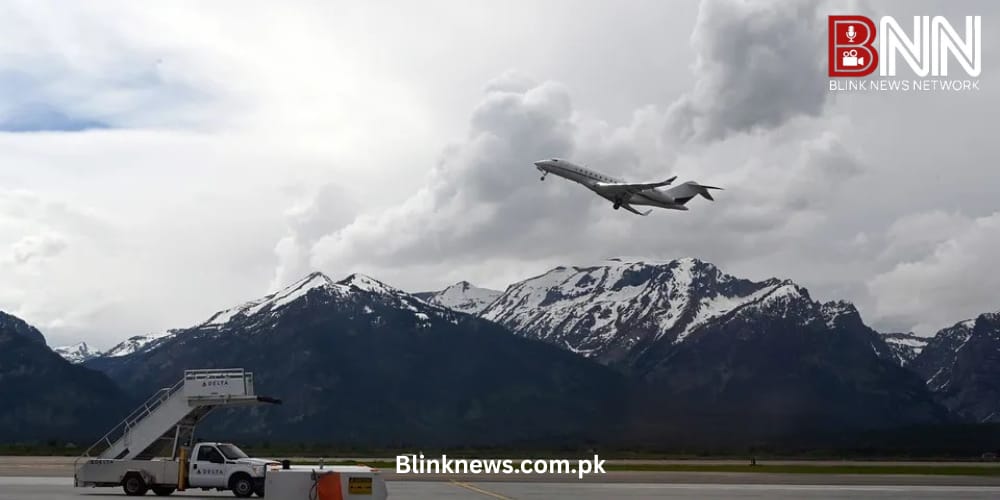
A growing wave of private jet arrivals in Montana is highlighting the widening gap between the state’s booming luxury economy and the financial struggles of longtime residents. As wealthy visitors and second-home owners continue to pour into popular destinations such as Bozeman, Big Sky, and Whitefish, housing costs have climbed to record levels, leaving many local workers unable to afford even the most modest homes.
Local officials and housing advocates say the demand for luxury properties has driven up land values, rental prices, and property taxes. In some communities, trailer parks, once considered one of the last affordable housing options have become increasingly expensive, with rising lot rents and redevelopment pressures forcing families to relocate.
At regional airports, private jet traffic has surged during peak travel seasons, reflecting Montana’s growing appeal as a destination for affluent travelers seeking outdoor recreation, privacy, and exclusive real estate. While tourism and high-end investment have boosted local businesses and generated tax revenue, many residents argue that the economic benefits have not reached workers employed in hospitality, education, healthcare, and public services.
Housing advocates are urging state and local governments to expand affordable housing initiatives, protect existing manufactured home communities, and encourage developments that serve year-round residents rather than seasonal visitors. Some municipalities are also considering policy changes aimed at balancing economic growth with housing accessibility.
Residents say the issue extends beyond rising home prices. They point to increasing costs for groceries, childcare, transportation, and utilities, making it difficult for working families to remain in the communities where they have lived for generations.
The debate over Montana’s rapid transformation continues as policymakers, developers, and community leaders search for long-term solutions. For many locals, the sight of private jets lining airport runways has become a symbol of prosperity that contrasts sharply with the daily reality of families struggling to secure affordable housing, underscoring broader concerns about inequality and the future of Montana’s communities.