
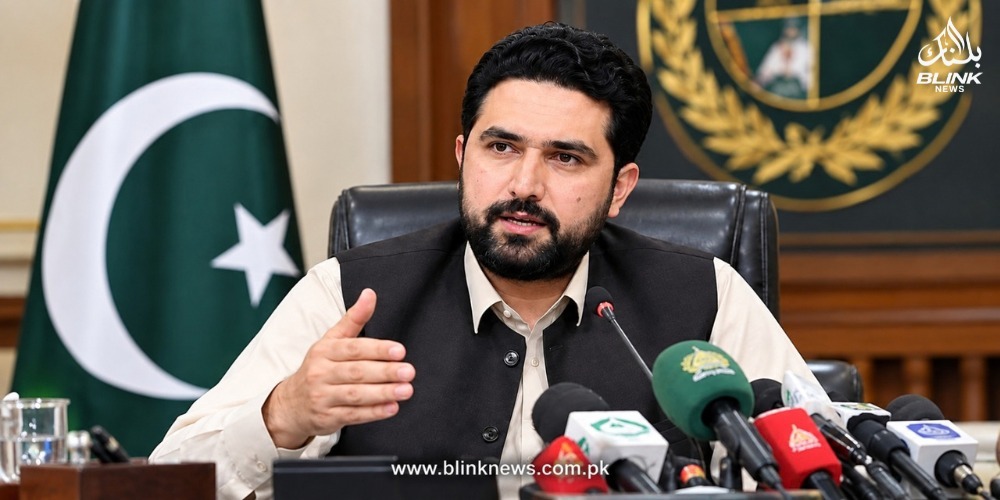
Sohail Afridi Says 22-Year Policy Has Increased Terrorism
Introduction
Sohail Afridi has criticized what he described as a 22-year-old policy, arguing that the approach has contributed to an increase in terrorism and insecurity. His remarks come amid continuing concerns over the security situation in Khyber Pakhtunkhwa and other parts of Pakistan.
The statement has renewed discussion about the country’s long-term approach toward militancy, counterterrorism and regional security. According to Sohail Afridi, reviewing policies that have been in place for decades is necessary to understand why terrorism remains a major challenge.
The comments are likely to add to an ongoing political debate over security policy, governance and the measures required to restore lasting peace. BlinkNews will continue to follow developments related to the statement and the wider security situation.
Sohail Afridi Criticizes Long-Term Security Policy
Sohail Afridi’s remarks focus on a policy that he says has continued for approximately 22 years. He argued that instead of eliminating the threat of terrorism, the policy has coincided with an increase in militant activity and security challenges.
His comments reflect a broader debate in Pakistan over how successive governments have dealt with militancy. Over the years, the country has adopted different counterterrorism strategies in response to changing security conditions.
The issue remains particularly important for Khyber Pakhtunkhwa, where communities have faced serious security challenges and militant violence. The province’s geographical location and proximity to Afghanistan have also made regional security a major concern.
Terrorism Remains a Major Challenge in Khyber Pakhtunkhwa
Khyber Pakhtunkhwa has remained at the center of Pakistan’s counterterrorism efforts. Several districts, including areas close to the former tribal regions, have experienced security incidents over the years.
The continuation of militant attacks has raised questions about whether existing policies are producing the desired results. Sohail Afridi’s comments have added another political voice to this discussion, particularly regarding the long-term impact of decisions taken over the past two decades.
For local communities, the consequences of terrorism extend beyond security incidents. Businesses, schools, transportation and everyday life can all be affected when violence and uncertainty increase.
What Does the 22-Year Policy Debate Mean?
The reference to a 22-year policy points toward a longer period of political and security decisions that have shaped Pakistan’s approach to militancy.
Need for a Policy Review
Sohail Afridi’s position suggests that policymakers should examine previous strategies and assess their results. Such a review could include counterterrorism operations, border management, intelligence coordination, development in affected districts and political engagement.
A comprehensive assessment could also help identify gaps in the existing security framework. The objective would be to determine which measures have worked and which policies may require significant changes.
Political and Security Coordination
Effective counterterrorism efforts generally require cooperation between political institutions, law-enforcement agencies and security authorities. Coordination can become particularly important in areas facing repeated militant threats.
The debate surrounding Sohail Afridi on terrorism policy therefore extends beyond one political statement. It raises broader questions about governance, public safety and the future direction of national security policy.
Security Situation Keeps Political Debate Alive
Pakistan has made significant efforts to combat terrorism, including security operations and measures designed to strengthen law enforcement. However, continued incidents have kept terrorism high on the national agenda.
The discussion also involves the relationship between developments in Afghanistan and security conditions inside Pakistan. Border security and militant movement across the region remain important concerns for policymakers.
Sohail Afridi’s criticism comes at a time when political parties and public representatives continue to discuss how Pakistan can achieve sustainable peace. His comments may encourage further debate about whether a different strategy is needed.
What Could Be the Way Forward?
A long-term response to terrorism may require more than security operations alone. Political stability, economic opportunities, effective governance and stronger institutions can also play important roles in reducing the conditions that allow militancy to grow.
Authorities may also need to focus on the concerns of communities living in areas affected by terrorism. Better public services, education, employment opportunities and local governance could support broader efforts to improve stability.
At the same time, intelligence sharing and coordination between relevant institutions remain essential for preventing attacks and protecting civilians.
Conclusion
Sohail Afridi’s claim that a 22-year policy has contributed to increased terrorism has added fresh momentum to Pakistan’s ongoing security debate. His remarks highlight concerns about the effectiveness of long-term strategies and the need to examine their outcomes.
For Khyber Pakhtunkhwa and other affected regions, the priority remains peace, stability and protection for civilians. The debate over Sohail Afridi on terrorism policy is likely to continue as political leaders and security institutions consider how Pakistan can address militancy more effectively.
BlinkNews will continue covering developments surrounding the statement, Khyber Pakhtunkhwa’s security situation and Pakistan’s broader counterterrorism efforts.