
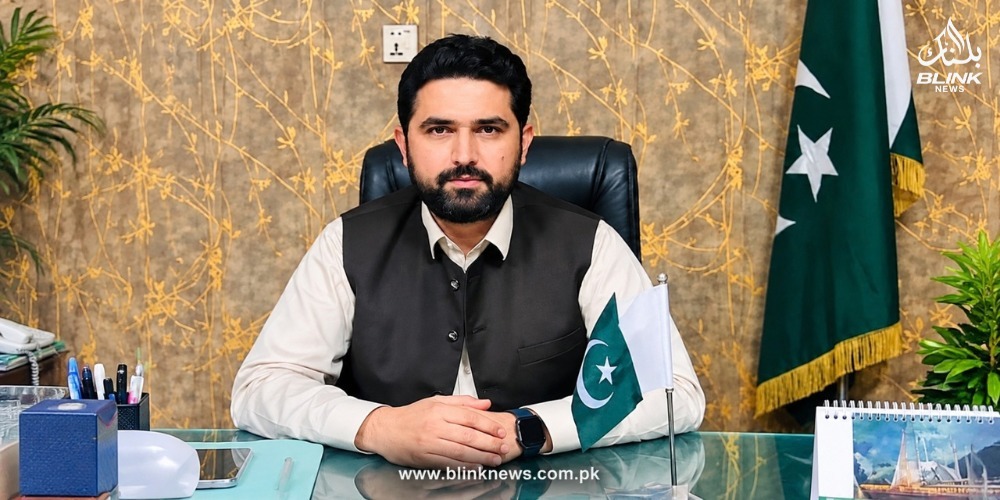
Political discussions in Pakistan continue to attract attention as PTI leaders explain their position on proposals shared during ongoing political consultations. Sohail Afridi has said that the draft sent to the negotiations committee did not contain any unconstitutional demand, rejecting suggestions that the document went beyond the constitutional framework.
The statement comes amid continued efforts by political stakeholders to clarify their positions and explore areas where dialogue may help reduce political tensions. The issue has also generated discussion about the nature of the demands presented by opposition representatives and whether they were consistent with Pakistan’s constitutional and democratic system.
Sohail Afridi Clarifies Position on Negotiations Draft
Sohail Afridi said the draft submitted to the negotiations committee contained no demand that could be described as unconstitutional. His remarks were aimed at clarifying the intentions behind the proposals and addressing concerns surrounding the contents of the document.
Political negotiations often involve written proposals covering multiple issues, including political, legal and institutional matters. Such drafts can become the basis for further discussions as parties attempt to identify common ground.
According to the position outlined by Afridi, the proposals should be viewed within the constitutional framework rather than being interpreted as an attempt to challenge the country’s legal structure.
What Was Included in the Draft?
The discussion surrounding the draft has focused largely on whether the demands presented by PTI representatives were compatible with constitutional principles.
Afridi’s clarification indicates that the document was intended to communicate political concerns and possible areas for discussion. Rather than presenting demands outside the constitutional system, the position described the draft as part of the broader political dialogue.
The details of any negotiation document are important because political parties may use such proposals to formally communicate their concerns to other stakeholders. They can also provide a starting point for further consultation.
For readers following developments through BlinkNews, the key point is that Afridi has specifically rejected the characterization of the draft as containing unconstitutional demands.
Importance of Political Dialogue
Political dialogue remains an important part of democratic systems, particularly when disagreements between major political groups create prolonged uncertainty.
In Pakistan, negotiations between political stakeholders have frequently involved questions related to governance, elections, political rights and institutional matters. Discussions over such issues can become complicated when different parties interpret proposals differently.
A clear explanation of the draft can therefore help reduce misunderstandings and allow political representatives to focus on substantive issues.
PTI Position and Broader Political Developments
The comments by Sohail Afridi are part of a wider political debate involving PTI and other political stakeholders. PTI has continued to raise concerns about political matters while calling for dialogue on issues it considers important.
At the same time, government representatives and other political groups have their own positions regarding the way political disputes should be addressed. Negotiations can progress only when participating sides are willing to listen to each other and consider possible areas of agreement.
The use of a negotiations committee provides a formal channel through which proposals can be exchanged. However, reaching an agreement generally requires further consultation, clarification and political compromise.
Why the Constitutional Question Matters
The reference to constitutional demands is significant because Pakistan’s political system operates within a defined constitutional and legal framework.
When a political proposal is described as unconstitutional, it can immediately become a major point of controversy. That is why Afridi’s clarification that the draft contained no unconstitutional demand is relevant to the ongoing discussion.
The statement also highlights the importance of examining the actual contents of political proposals instead of relying solely on political claims or interpretations.
For political parties, maintaining their demands within constitutional boundaries can make negotiations more practical and create greater opportunities for consensus.
What Happens Next?
The next stage will depend on how political stakeholders respond to the proposals and whether further meetings take place. Additional consultations could provide an opportunity for the parties to clarify disputed points and determine whether common ground exists.
The response from government representatives and other political groups will likely remain important as the negotiations continue. Any progress could depend on the willingness of both sides to move beyond disagreements and concentrate on issues that can be resolved through dialogue.
Political developments in Khyber Pakhtunkhwa may also remain closely watched because of Afridi’s political role and the broader significance of PTI’s position in the province.
Conclusion
The statement by Sohail Afridi provides clarification regarding the draft sent to the negotiations committee. He maintains that the document contained no unconstitutional demand and should be understood as part of the political dialogue.
As discussions continue, the focus is likely to remain on the contents of the proposals, responses from other political stakeholders and the possibility of further consultation. For Pakistan’s political process, continued dialogue within the constitutional framework could remain an important path toward resolving differences.
BlinkNews will continue to follow the latest developments and provide readers with updates on Pakistan’s political negotiations and related developments.