
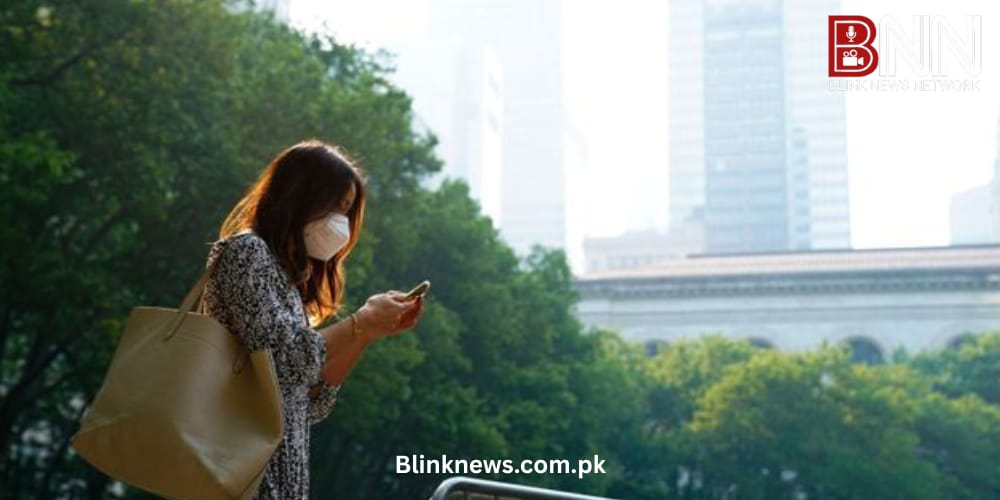
Wildfires are becoming more frequent and intense in many parts of the world, and their effects extend far beyond the flames themselves. One of the biggest threats is wildfire smoke, which can travel hundreds or even thousands of miles, affecting air quality, public health, transportation, and the environment.
Experts warn that even people living far from active fires can experience the harmful effects of smoke. Understanding these risks and knowing how to protect yourself can reduce health problems during wildfire season.
Why Wildfire Smoke Is Dangerous
Wildfire smoke is a complex mixture of gases and tiny particles released when trees, vegetation, buildings, and other materials burn. Of particular concern are PM2.5 particles—fine particulate matter that is small enough to penetrate deep into the lungs and, in some cases, enter the bloodstream.
Smoke may also contain carbon monoxide, volatile organic compounds (VOCs), and other pollutants, depending on what is burning.
Health Effects of Wildfire Smoke
Exposure to wildfire smoke can cause both immediate and long-term health problems.
Short-Term Effects
- Coughing and sore throat
- Eye, nose, and throat irritation
- Shortness of breath
- Wheezing
- Headaches
- Fatigue
- Reduced visibility due to heavy smoke
Long-Term Risks
Repeated or prolonged exposure may increase the risk of:
- Asthma attacks
- Chronic lung disease
- Heart disease
- Stroke
- Respiratory infections
- Reduced lung function
- Complications during pregnancy
People with asthma, chronic obstructive pulmonary disease (COPD), heart disease, older adults, children, and pregnant individuals are generally at higher risk from smoke exposure.
Wildfire Smoke Can Travel Long Distances
One of the most surprising aspects of wildfire smoke is how far it can spread. Strong winds and atmospheric conditions can carry smoke across states, provinces, or even international borders, causing poor air quality far from the wildfire itself.
This means communities hundreds or thousands of miles away may experience hazy skies and unhealthy air despite having no nearby fires.
Environmental and Economic Impacts
Wildfire smoke also has broader consequences beyond personal health.
Reduced Air Quality
Smoke significantly worsens air pollution and can push air quality into unhealthy or hazardous ranges, prompting health advisories.
Transportation Disruptions
Heavy smoke can reduce visibility, affecting road travel and delaying flights.
Climate Effects
Wildfire smoke releases greenhouse gases and black carbon into the atmosphere, contributing to climate change while also influencing weather and sunlight.
Economic Costs
Communities may face increased healthcare expenses, business disruptions, reduced tourism, agricultural losses, and firefighting costs during severe wildfire seasons.
How to Protect Yourself From Wildfire Smoke
Taking simple precautions can help reduce your exposure.
1. Monitor Air Quality
Check your local Air Quality Index (AQI) regularly during wildfire season. If air quality reaches unhealthy levels, limit outdoor activities.
2. Stay Indoors
Keep windows and doors closed when smoke levels are high. If possible, use air conditioning with a clean filter and avoid bringing smoky outdoor air inside.
3. Use an Air Purifier
A portable air purifier equipped with a HEPA filter can help reduce indoor particle levels.
4. Wear a Proper Mask Outdoors
If you must spend time outside in smoky conditions, a well-fitting N95 or equivalent respirator can help reduce inhalation of fine particles. Cloth masks and standard surgical masks provide limited protection against PM2.5 particles.
5. Avoid Creating Indoor Pollution
During smoky conditions, avoid burning candles, smoking, frying foods, or vacuuming without a HEPA filter, as these activities can worsen indoor air quality.
6. Stay Hydrated
Drink plenty of water to help relieve throat irritation and support overall health.
7. Follow Medical Advice
People with asthma or heart disease should keep prescribed medications readily available and follow their healthcare provider’s guidance if symptoms worsen.
When to Seek Medical Care
Seek prompt medical attention if you experience:
- Difficulty breathing
- Chest pain
- Severe wheezing
- Confusion
- Persistent dizziness
- Blue lips or fingertips
- Symptoms that rapidly worsen
These symptoms may indicate a serious medical condition requiring immediate evaluation.
Preparing for Future Wildfire Seasons
As wildfire seasons become longer in many regions, experts recommend preparing in advance by:
- Keeping replacement HVAC and air purifier filters on hand.
- Maintaining an emergency supply of medications.
- Monitoring local emergency alerts and air quality forecasts.
- Planning indoor activities for days with poor air quality.
- Creating a clean-air room in your home if wildfire smoke is common in your area.
Final Thoughts
Wildfire smoke is more than a temporary inconvenience—it is a significant public health concern that can affect people far beyond wildfire zones. By staying informed, monitoring air quality, and taking practical steps to reduce exposure, individuals and families can better protect themselves during smoke events.
As climate conditions continue to influence wildfire activity around the world, preparedness and awareness remain essential tools for reducing health risks and staying safe.