
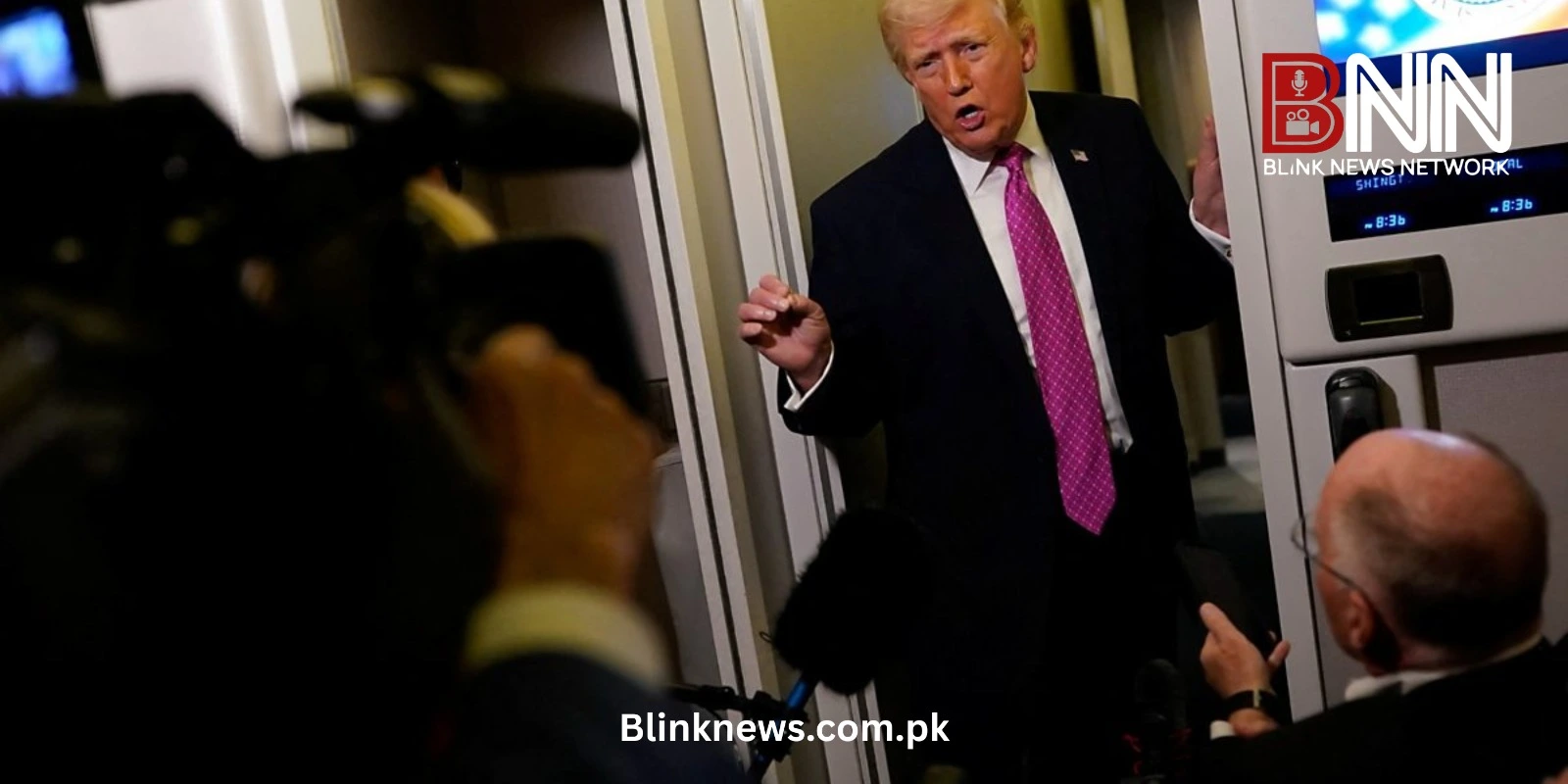
Former U.S. President Donald Trump has claimed that Iran has accepted the majority of Washington’s 15-point demands, a statement that, if verified, could mark a rare shift in the decades-long standoff between the two countries. The demands reportedly focus on Iran’s nuclear program, ballistic missile development, and its influence across the Middle East, areas that have long been points of contention in U.S.-Iran relations.
Tensions between Tehran and Washington have fluctuated over the years, alternating between direct negotiations, sanctions, and military posturing. Previous administrations have pursued diplomatic engagement while imposing strict economic measures to curb Iran’s regional ambitions. Trump’s assertion, made in recent public remarks, suggests progress in these high-stakes negotiations, although the Iranian government has yet to publicly confirm or provide detailed responses to these claims.
Officials familiar with the matter have noted that such statements require careful scrutiny. Past reports of informal agreements or tentative concessions have often been followed by clarification or denial from Iranian authorities. Analysts emphasize the importance of examining official statements and credible diplomatic sources to understand the real scope of any agreement. Experts warn that announcements of this nature can affect both regional stability and global markets, particularly in energy and security sectors.
Reactions to Trump’s claim have been mixed. Some foreign policy commentators suggest that even partial acknowledgment of the U.S. demands could signal a potential thaw in relations, creating openings for renewed dialogue over nuclear oversight and regional security. Others caution that without transparent verification, such claims may be part of broader political messaging rather than evidence of substantive policy shifts.
The implications of a genuine agreement would extend beyond bilateral relations. A reduction in U.S.-Iran tensions could influence oil prices, ease sanctions-related pressures on global trade, and reshape diplomatic alignments in the Middle East. For international observers, the situation underscores the fragile balance between rhetoric, negotiation, and concrete action in high-stakes foreign policy.
As the story develops, global attention remains focused on official statements from Tehran and Washington. Analysts anticipate that further clarification in the coming days will determine whether the reported concessions mark a meaningful step toward de-escalation or reflect ongoing political posturing by former U.S. leaders.