
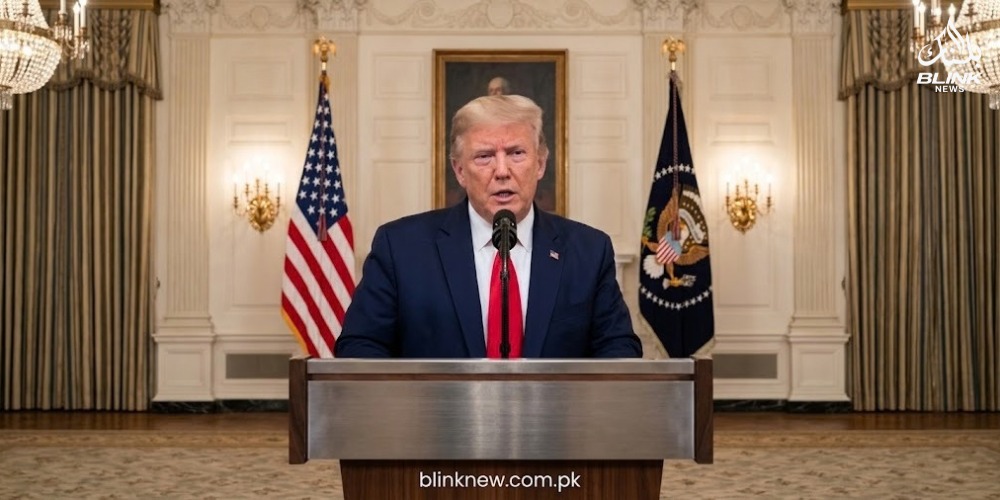
US President Donald Trump has claimed that Iran is interested in reaching an agreement with the United States, but not under the conditions being demanded by Washington. The statement adds another layer of uncertainty to ongoing tensions between Washington and Tehran and highlights the major differences between the two sides.
According to Trump, Iran wants negotiations but is unwilling to accept what he described as US terms. The comments come as diplomatic discussions over Iran’s nuclear program, regional security and broader US-Iran relations remain closely watched.
For BlinkNews readers, the latest development is significant because any change in the US-Iran dialogue could have wider implications for the Middle East, global energy markets and international diplomacy.
Trump Says Iran Wants a Deal
Trump said that Iran appears interested in reaching an agreement, but that Tehran does not want to accept the conditions proposed by the United States.
His comments suggest that communication between the two countries may still be possible despite significant disagreements. However, wanting negotiations and agreeing on the terms of a final deal are two different matters.
The Trump administration has previously emphasized pressure on Iran while seeking commitments on issues including its nuclear activities and regional policies. Iran, meanwhile, has repeatedly maintained that negotiations must respect its national interests and sovereignty.
The latest Trump Iran deal comments therefore point to a potential diplomatic opening, but they do not confirm that a new agreement is close.
Major Differences Between Washington and Tehran
US Demands and Iran’s Position
The central challenge remains the gap between Washington’s expectations and Tehran’s negotiating position.
The United States has historically sought restrictions on Iran’s nuclear program, greater international monitoring and changes in policies that Washington considers a threat to regional security.
Iran has argued that it has legitimate rights under international agreements and has objected to pressure-based negotiations. Tehran has also criticized US sanctions and demanded relief from economic restrictions as part of any meaningful diplomatic process.
These differences make the possibility of an agreement complicated.
Why the Terms Matter
For any future agreement to succeed, both sides would need to identify conditions they can accept. A deal would likely require negotiations over nuclear activities, sanctions, verification mechanisms and broader security concerns.
The phrase “US terms” is particularly important because it reflects the disagreement over how negotiations should be structured. Trump’s statement indicates that Iran may be open to dialogue while rejecting some or all of Washington’s proposed conditions.
Iran-US Tensions Remain a Major International Issue
Relations between Iran and the United States have remained tense for years. The two countries have disagreed over Iran’s nuclear program, sanctions, regional military activities and the presence of US forces in the Middle East.
Any escalation between Washington and Tehran can have consequences beyond their bilateral relationship.
The Middle East is an important energy-producing region, meaning developments involving Iran can affect oil markets and international trade. Investors and governments therefore closely monitor statements from both US and Iranian officials.
The latest Iran US negotiations discussion is also important for countries in the region, including Pakistan, Saudi Arabia, Qatar and other Gulf states that have an interest in regional stability.
What Could Happen Next?
The next stage will depend on whether Washington and Tehran can establish a framework for direct or indirect negotiations.
If both sides show flexibility, diplomatic channels could provide an opportunity to discuss the nuclear issue and sanctions. However, if either side maintains conditions that the other considers unacceptable, negotiations could remain stalled.
Trump’s latest statement does not by itself establish that a formal agreement is imminent. Further comments from US officials, Iranian authorities and international diplomatic representatives will be important in determining whether the two sides are moving