
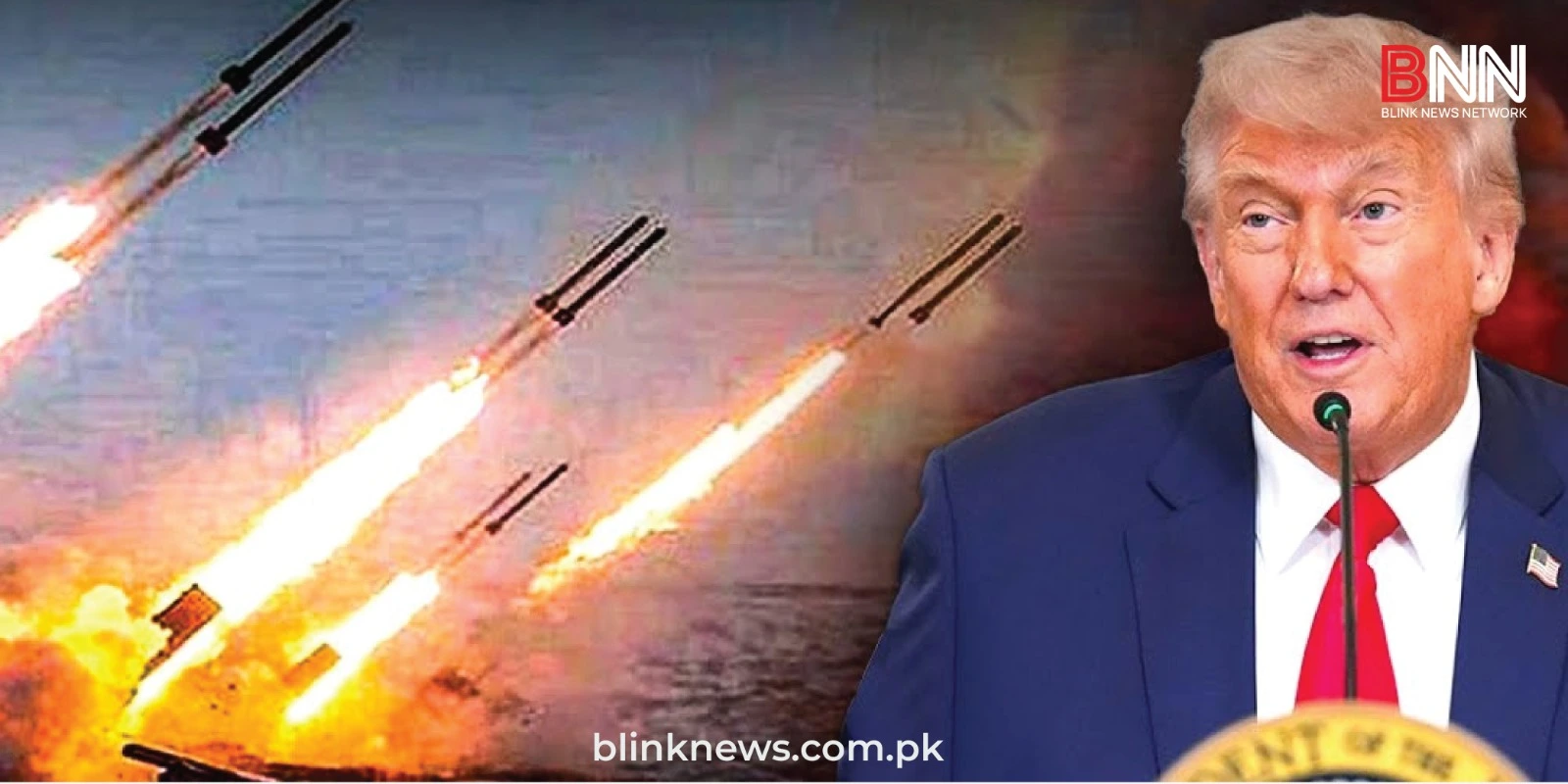
The United States House of Representatives voted on March 5, 2026, to reject a resolution that sought to limit President Donald Trump’s authority to conduct military operations against Iran. The measure fell short by a narrow margin, with 219 lawmakers voting against it and 212 in favor, effectively allowing the president to continue military actions without immediate congressional approval.
The resolution, introduced by members of both parties, aimed to reinforce Congress’s constitutional role in authorizing war. Supporters argued that the U.S. Constitution vests the power to declare war with Congress, and that any ongoing military operations should be subject to legislative oversight. They warned that bypassing this process could undermine democratic checks on executive power and escalate conflict without proper scrutiny.
Despite these concerns, the resolution faced strong opposition, primarily from Republican lawmakers who voiced support for President Trump’s handling of the Iran conflict. Critics of the measure said imposing restrictions during an active military engagement could hinder strategic flexibility and compromise U.S. military effectiveness. The vote in the House mirrored a similar outcome in the Senate earlier, indicating that a majority of lawmakers currently back the administration’s approach.
The debate has intensified political divisions in Washington. Advocates for congressional approval emphasized accountability and the need to avoid an open-ended military conflict. Opponents stressed national security imperatives and the urgency of maintaining a decisive posture against perceived threats from Iran. Officials familiar with the matter noted that the Trump administration had framed the military campaign as a necessary deterrent to regional instability and a defense of U.S. interests.
Public and expert reactions have highlighted the broader implications of the vote. Some constitutional scholars warned that bypassing Congress could set a precedent for expanding presidential war powers in future conflicts. Meanwhile, foreign policy analysts suggested that congressional restraint might have constrained the administration’s options, potentially altering the dynamics of the U.S.-Iran standoff.
As tensions in the Middle East persist, the outcome in Congress underscores the delicate balance between executive authority and legislative oversight in U.S. foreign policy. Lawmakers and policymakers continue to monitor the situation closely, aware that further escalation or miscalculations could have significant geopolitical consequences. Observers say the coming weeks will be critical in determining whether diplomatic channels or military engagement will shape the next phase of the U.S.-Iran confrontation.
Read more posts on Blink News Network