
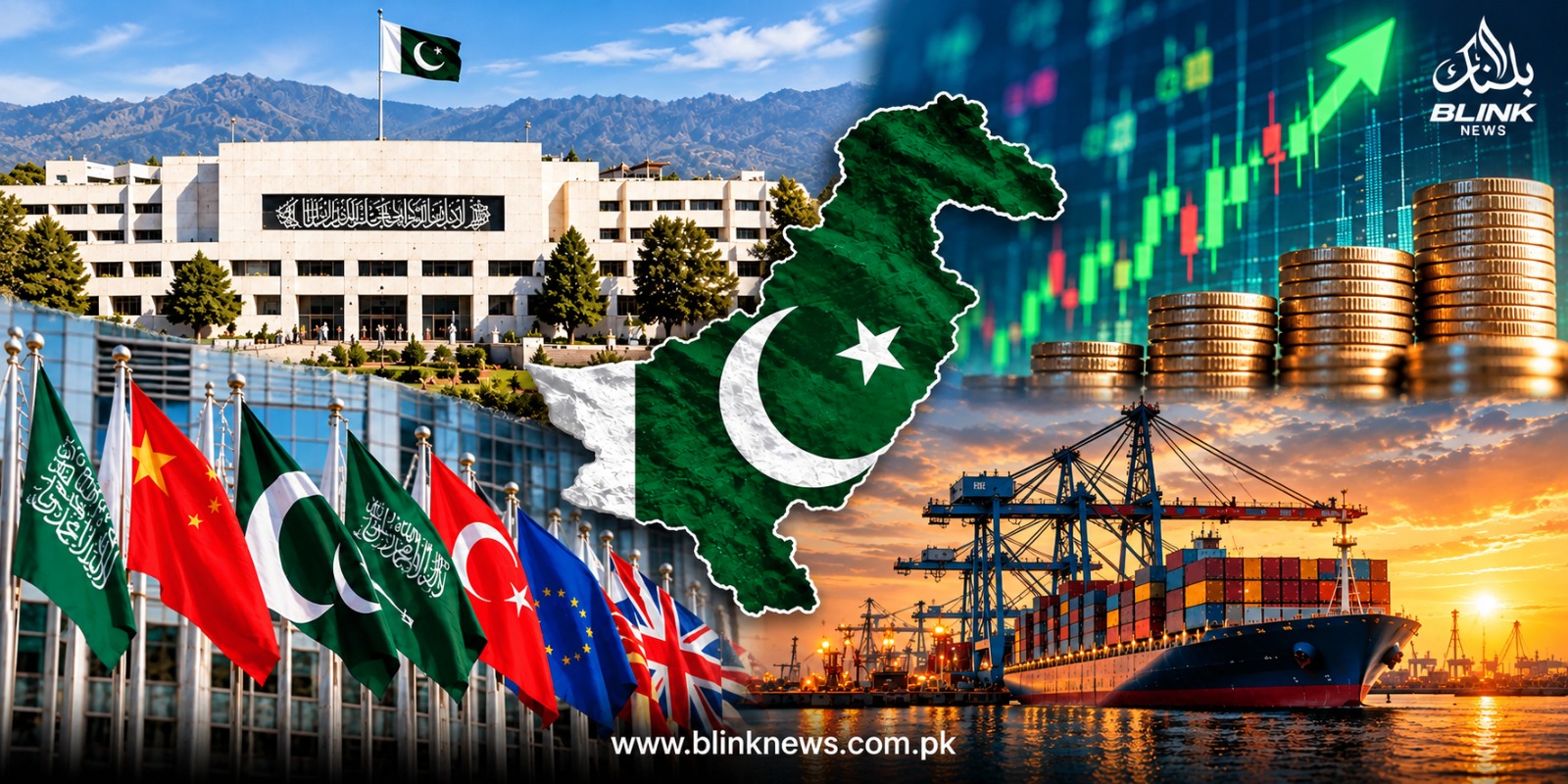
Pakistan current affairs shape daily conversations in homes, classrooms, offices and exam halls. A decision in the National Assembly, a change in the policy rate or a diplomatic meeting abroad can affect household budgets, jobs and the country’s standing in the world within days.
This guide explains how national news in Pakistan fits together. You will learn which institutions drive the headlines, how political and economic stories connect, and why regional events matter at home. You will also find practical tips for reading the news carefully.
One note on accuracy. Stories in this area change fast, so confirm exact figures, dates and official positions with primary sources. These include the Prime Minister’s Office, the Ministry of Foreign Affairs, the State Bank of Pakistan, the Pakistan Bureau of Statistics and the Election Commission of Pakistan.
Main Topic Overview
Pakistan current affairs cover everything that shapes public life at a given moment. That includes government decisions, parliamentary activity, court rulings, economic data, security developments and relations with other countries. Readers use this information to stay informed. Students and job seekers also use it to prepare for competitive exams.
The structure of the state explains many headlines. Pakistan is a federal parliamentary republic with four provinces: Punjab, Sindh, Khyber Pakhtunkhwa and Balochistan. It also has the Islamabad Capital Territory, along with Azad Jammu and Kashmir and Gilgit-Baltistan. Parliament has two houses, the National Assembly and the Senate. The federal government, led by the Prime Minister, runs national policy, while provincial governments handle many local matters.
Several other institutions appear in almost every news cycle:
- The judiciary, including the Supreme Court and the high courts, which decides constitutional and public interest cases.
- The Election Commission of Pakistan, which organises elections and enforces electoral rules.
- The State Bank of Pakistan, which sets monetary policy and manages the banking system.
- The Federal Board of Revenue, which collects most federal taxes.
- The Ministry of Foreign Affairs, which handles diplomacy and communicates official positions abroad.
Knowing who is responsible for what makes it easier to judge whether a story is about policy, law, money or diplomacy.
Latest Developments and Important Updates
Anyone searching for Pakistan Current Affairs Today usually wants a quick picture of the biggest stories. Because events move daily, the most useful approach is to know which areas produce the most important updates and what to look for in each.
Politics and governance
- Bills, amendments and committee work in the National Assembly and the Senate.
- Cabinet decisions, new appointments and policy announcements from Islamabad.
- Court rulings that affect elections, governance or fundamental rights.
- Relations between the federal government and the provinces, including how national revenue is shared.
Economy and finance
- Monthly inflation figures from the Pakistan Bureau of Statistics.
- Interest rate decisions by the State Bank of Pakistan.
- Progress on arrangements with the International Monetary Fund and other lenders.
- Tax measures, energy pricing and trade figures.
Foreign affairs
- Meetings with China, Gulf states, the United States, Turkey and other partners.
- Pakistan’s position at the United Nations and other multilateral platforms.
- Developments along the borders with Afghanistan, India, Iran and China.
When you read these updates, separate confirmed information from claims. An official notification, a court order or a published data release is confirmed. A claim from an unnamed source or a social media post is not, until a credible institution verifies it. Good reporting makes that difference clear, and readers should expect it.
Key Facts and Details
The facts below do not change from week to week. They help readers make sense of whatever the latest headline says.
Important Development: How Politics and the Economy Move Together
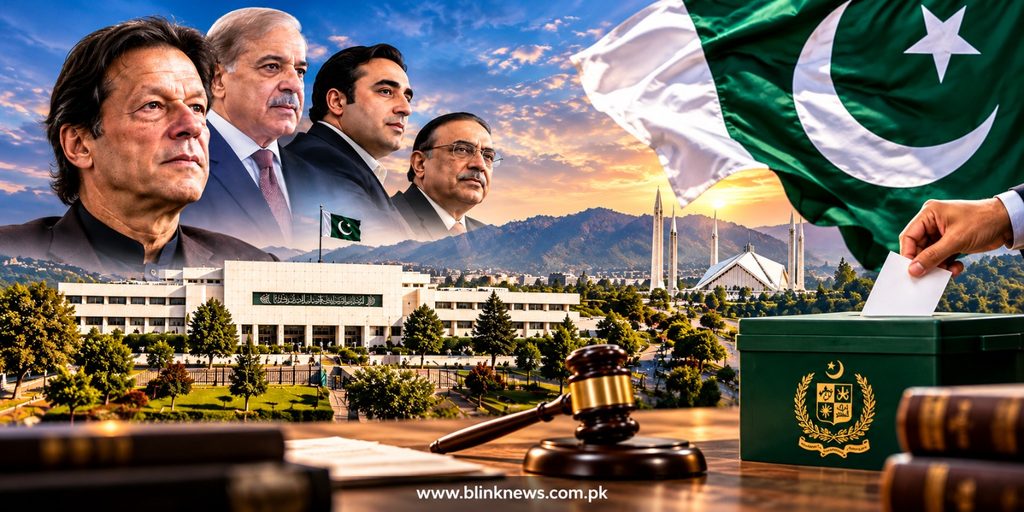
Political stability and economic stability are closely linked in Pakistan. When governments need to pass a budget, secure external financing or change energy prices, they need both parliamentary support and public acceptance. This is why Pakistan political news and Pakistan economy news so often cover the same event from two angles.
The federal budget is a clear example. The fiscal year runs from July to June, and the budget is normally presented to the National Assembly in June. Debate follows, and the finance bill must pass before it takes effect. The budget sets tax policy, public spending and development priorities, so it generates headlines about politics, business and household costs at once.
External financing is another recurring theme. Pakistan has repeatedly turned to the International Monetary Fund and to friendly countries for support. These arrangements usually come with conditions on taxation, subsidies and reforms, and they are reviewed periodically. Each review tends to produce news about the state of the economy and the government’s policy direction.
Key Facts Readers Should Know
Anyone following Pakistan current affairs benefits from a few anchor facts:
- Pakistan is a federal parliamentary republic with a bicameral parliament.
- The Prime Minister heads the government, and the President is the head of state.
- The State Bank of Pakistan sets the policy rate, which influences borrowing costs and inflation.
- The Pakistan Bureau of Statistics publishes official inflation and other economic data.
- The China-Pakistan Economic Corridor, known as CPEC, is a major infrastructure and energy partnership.
- Pakistan is a member of the United Nations, the Shanghai Cooperation Organisation, the Organisation of Islamic Cooperation and the Commonwealth.
- Islamabad is the federal capital, while Lahore and Karachi are major centres of commerce and media.
Political, Economic, Social and National Impact
Current affairs matter because they reach ordinary life directly. Seeing those links turns a headline into something useful.
Economic impact. Inflation, exchange rates, fuel prices and tax changes affect what families spend on food, transport and utilities. Businesses watch interest rates and energy costs when deciding whether to hire or invest. A change in the policy rate can alter loan costs within months.
Political impact. Legislation and court decisions shape how institutions work and how citizens can take part in public life. Elections, coalition arrangements and constitutional debates also influence how stable policy is. Stable policy matters because investors and international partners look for predictability.
Social impact. Education budgets, health spending, floods and other climate events, and employment trends all affect communities. Climate stress deserves attention. Pakistan has faced serious flooding in recent years, and disaster response and reconstruction regularly appear in national news.
National security impact. Security conditions influence investment, travel and daily routines in some regions. Reports on this subject are sensitive, so official statements from the government, the military’s media wing or provincial authorities should be read alongside independent reporting.
Regional and International Context
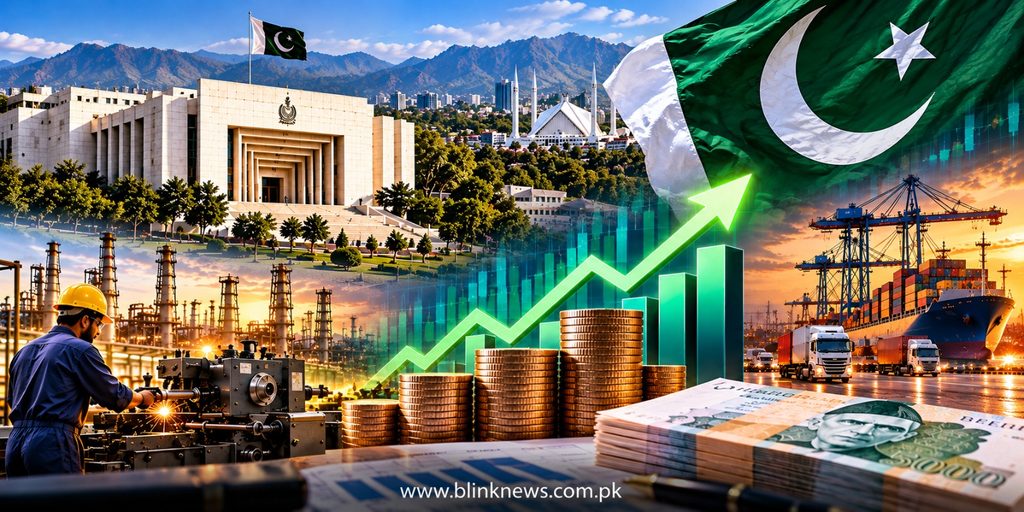
Pakistan current affairs cannot be understood without the region. Pakistan shares borders with India, Afghanistan, Iran and China, and each relationship carries its own mix of trade, security and diplomacy.
- India: Relations have been tense for a long time, with the Kashmir dispute and water-sharing issues at the centre. Developments here often draw international attention.
- Afghanistan: Border management, trade, refugee issues and security cooperation shape the relationship.
- China: Economic cooperation under CPEC and long-standing strategic ties make Beijing one of Islamabad’s closest partners.
- Gulf states and Saudi Arabia: These countries are important for energy, remittances from overseas Pakistanis and financial support.
- United States and Europe: Trade, security dialogue and multilateral lending are the main areas of engagement.
Global conditions also reach Pakistan quickly. Oil prices, interest rates in major economies and conflicts in the Middle East can change costs and diplomatic priorities at home. That is why international news and national news in Pakistan are best read together.
What This Means for Pakistan
For Pakistani readers, the practical value of staying informed is straightforward. Informed citizens can judge government claims against official data, understand how budget decisions affect them, and take part in public debate with better evidence.
Students and professionals gain a second benefit. Competitive exams, interviews and workplace discussions often test awareness of national and international events. A reader who understands institutions, timelines and context will remember events better than one who only skims headlines.
Pakistan’s long-term direction depends on several linked issues: economic stability, energy costs, political continuity, climate resilience and balanced foreign relations. Following each of these over time gives a more accurate view than reacting to a single dramatic headline.
Frequently Asked Questions
1. What is covered under Pakistan’s current affairs?
It includes politics, government policy, the economy, law and courts, security, social issues and foreign relations. Both national and international events that affect Pakistan fall within its scope.
2. Where can I follow Pakistan current affairs reliably every day?
Start with official sources such as government ministries, the State Bank of Pakistan and the Pakistan Bureau of Statistics. Add established news outlets that name their sources and correct their errors.
3. How do I prepare current affairs for competitive exams in Pakistan?
Read a reliable source daily, write short notes on each major event, and group them by theme such as politics, economy and foreign relations. Review the notes weekly and revise them monthly.
4. Which institutions matter most in Pakistan political news?
The National Assembly, the Senate, the Prime Minister’s Office, the Election Commission and the superior courts appear most often. Provincial assemblies and governments also matter for local governance.
5. Why does the State Bank of Pakistan’s policy rate make headlines?
The rate influences loan costs, savings returns and inflation. When it changes, businesses and households feel the effect in borrowing and spending decisions.
6. What is CPEC and why is it often in the news?
CPEC is a set of infrastructure and energy projects developed in cooperation with China. It features in news about investment, power generation, roads, ports and regional connectivity.
7. How can I tell whether a news story is confirmed?
Check whether an official body, a court document or a published dataset supports it. Be cautious with anonymous claims and unverified social media posts.
8. Why do international events affect Pakistan so quickly?
Pakistan imports energy and many goods, depends on external financing and has strong diplomatic ties across regions. Oil prices, global interest rates and regional tensions can therefore change costs and policy choices at home.
9. How often do official economic figures come out?
Inflation data is published monthly by the Pakistan Bureau of Statistics. The State Bank of Pakistan announces policy rate decisions on a published schedule, and the federal budget arrives annually.
10. What is the difference between national and international current affairs?
National current affairs concern events inside Pakistan, such as legislation or economic policy. International current affairs cover global events and Pakistan’s relations with other countries.
Conclusion
Pakistan current affairs make the most sense when you connect the pieces. Institutions decide policy, the economy shows the results, and regional and global events add pressure or opportunity. Reading with attention to sources, dates and the difference between confirmed facts and claims will keep you better informed than chasing headlines alone.
Whether you follow the news for study, work or civic interest, a steady routine helps most. Learn the key institutions, check official data, and revisit developing stories as new information arrives.
Stay Updated With BlinkNews
Pakistan current affairs move quickly, and BlinkNews is here to help you keep up. Follow BlinkNews for clear, balanced reporting on politics, the economy and foreign affairs, and check back regularly for the latest national updates and important events.