
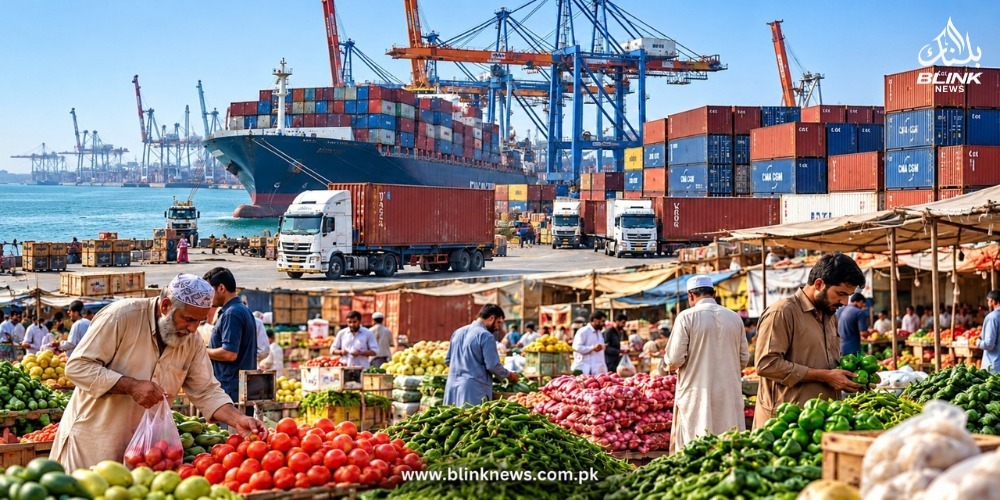
A shortage of containers has disrupted the supply of essential commodities to markets, creating pressure on traders and consumers and contributing to higher prices. The disruption has affected the movement of goods from supply points to wholesale and retail markets, raising concerns about further increases if transportation problems continue.
The latest situation has highlighted the importance of an efficient logistics network for maintaining stable supplies of food and other basic necessities. Traders say delays in transportation can quickly affect market availability, particularly for products that have a short shelf life.
For consumers already facing inflationary pressure, any disruption in the supply chain can make everyday purchases more expensive. BlinkNews is monitoring the developing situation and its potential impact on households and markets across Pakistan.
Container Shortage Affects Market Supply
The shortage of containers has created difficulties for businesses involved in transporting essential goods. Containers and other forms of freight transportation play an important role in moving products between major supply centers, wholesale markets and retail outlets.
When transportation capacity becomes limited, traders may face delays in receiving new stocks. This can reduce the availability of certain products in local markets and put additional pressure on prices.
The impact can be particularly significant for perishable items such as vegetables and fruits. Delays can increase transportation costs and, in some cases, lead to losses before products reach consumers.
Essential Commodities Prices in Pakistan Under Pressure
The disruption has added pressure to essential commodities prices in Pakistan, with traders and consumers closely watching market conditions.
When the supply of a commodity falls while demand remains steady, prices can rise. Transportation expenses can further increase the final price paid by consumers.
Transportation Costs Add to Market Prices
Higher logistics costs can affect every stage of the supply chain. Suppliers may have to spend more to arrange available transportation, while wholesalers and retailers can pass some of those additional costs to customers.
This means a shortage of containers does not only affect the availability of goods. It can also increase the cost of moving products from one location to another.
If the disruption continues for an extended period, traders may have difficulty maintaining normal stock levels.
Supply Chain Disruption Creates Challenges for Traders
Pakistan’s markets depend on a continuous flow of goods from farms, production centers, warehouses and distribution hubs. Any interruption at one stage can affect the wider supply network.
A container shortage can make it harder for traders to move large quantities of goods efficiently. Businesses may have to look for alternative transportation arrangements, which can be more expensive or slower.
The situation also creates uncertainty for wholesalers who need to plan their inventories. When deliveries become unpredictable, traders may reduce purchasing or increase prices to cover additional operating costs.
For consumers, these developments can translate into higher grocery bills.
Impact on Vegetables, Fruits and Other Goods
Perishable commodities are among the products most vulnerable to transportation delays. Vegetables and fruits require timely movement because prolonged delays can reduce their quality.
A shortage of suitable transportation capacity can therefore have a double effect. Consumers may face higher prices while traders deal with increased wastage.
Other essential products can also be affected if supply routes remain disrupted. Grocery items, household necessities and other frequently purchased goods depend on reliable transportation networks.
Wholesale Markets Feel the Pressure
Wholesale markets serve as an important link between suppliers and retailers. If incoming supplies decline, wholesalers may have fewer products available for distribution.
Reduced availability can influence daily price negotiations between suppliers, wholesalers and retailers. Market conditions can change quickly depending on arrivals, demand and transportation costs.
Why Stable Logistics Matter for Consumers
An efficient logistics system is essential for keeping essential commodities prices in Pakistan under control. Even when production is sufficient, transportation problems can prevent goods from reaching consumers at normal costs.
Authorities and market stakeholders therefore need to monitor transportation availability and supply routes closely. Faster movement of goods can help prevent temporary shortages from becoming larger market problems.
Improving storage facilities and transportation infrastructure can also reduce the impact of future supply disruptions.
Possible Impact on Inflation
Higher food and commodity prices can contribute to broader inflationary pressure. When basic household expenses increase, families may have less money available for other needs.
The impact can be especially challenging for lower-income households, which generally spend a larger share of their income on food and daily necessities.
If supply disruptions are resolved quickly, prices may stabilize as market inventories recover. However, prolonged logistics problems could keep pressure on essential commodities prices in Pakistan.
Market Outlook and Consumer Concerns
The coming days will be important for determining whether the supply disruption remains temporary or develops into a broader market issue.
Traders will be watching container availability, transportation costs and the arrival of fresh stocks in wholesale markets. Consumers, meanwhile, are likely to remain sensitive to changes in prices of food and other basic necessities.
Government agencies and market authorities may also need to coordinate with traders and transport operators to identify bottlenecks and ensure that essential goods continue reaching markets.
Conclusion
The shortage of containers has created challenges for the supply of essential commodities, with transportation difficulties contributing to rising market prices. The disruption demonstrates how closely Pakistan’s food markets are connected to logistics and supply-chain operations.
If transportation capacity improves and regular supplies resume, market conditions could stabilize. Until then, consumers and traders will continue watching prices and availability closely.
BlinkNews will continue to follow developments surrounding supply conditions, market prices and the broader impact on consumers across Pakistan.