
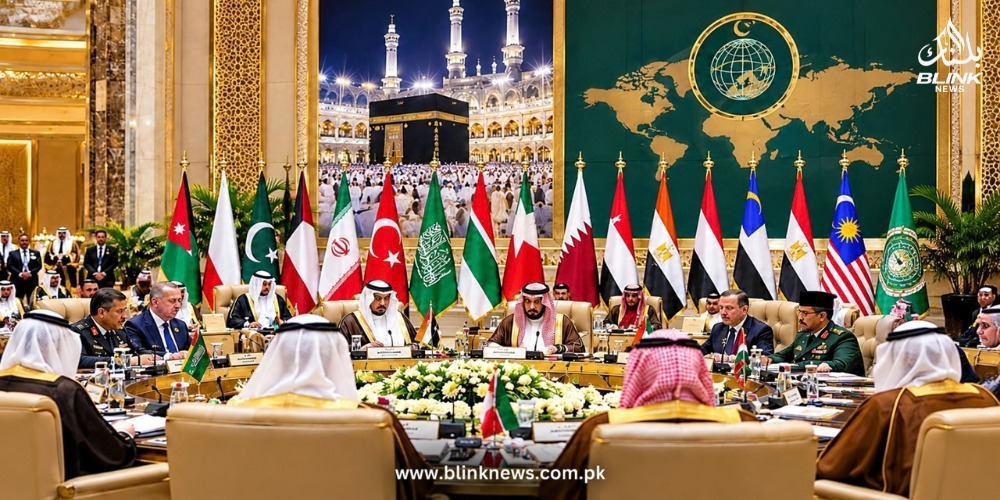
The Makkah Defense Alliance has decided to make immediate progress on its collective defense commitments, signaling a stronger focus on coordination and regional security cooperation. The decision reflects growing attention toward joint security arrangements and the need for participating countries to respond collectively to emerging threats.
The development comes amid a changing regional security environment, where governments are increasingly discussing stronger defense partnerships and coordinated responses. Officials involved in the alliance are expected to focus on practical steps that can strengthen cooperation and improve preparedness.
The decision has also drawn attention to the broader role of Saudi Arabia and other participating Muslim countries in regional security.
Makkah Defense Alliance Focuses on Collective Security
The latest decision places collective defense commitments at the center of the alliance’s agenda. Rather than keeping the agreement at the level of political declarations, participating countries are looking toward practical implementation.
Collective defense arrangements are generally designed to ensure that members coordinate when facing serious security challenges. Such cooperation can include information sharing, military coordination, strategic planning and joint preparedness.
The Makkah Defense Alliance is now expected to give greater attention to these areas as countries work toward translating their commitments into concrete measures.
Immediate Progress on Defense Commitments
The decision to move quickly on collective defense commitments indicates that member countries consider timely coordination important. Security situations can change rapidly, making effective communication and preparedness essential for governments.
Strengthening Military Cooperation
One important area of potential cooperation is military coordination. Participating countries may seek to improve communication between defense institutions and develop mechanisms for responding to common security challenges.
Military cooperation can also involve training exercises, intelligence coordination and logistical planning. Such measures can increase the ability of participating countries to work together during emergencies.
Improving Strategic Coordination
Beyond military activities, strategic coordination is another key component of collective security. Governments need clear communication channels to assess threats and determine appropriate responses.
The latest decision could therefore lead to greater consultation among defense and political authorities. This would allow members to discuss emerging risks and coordinate their positions more effectively.
Saudi Arabia’s Role in Regional Defense Cooperation
Saudi Arabia has an important position in discussions about security cooperation in the Middle East and the wider Muslim world. Riyadh has increasingly emphasized regional stability and stronger partnerships with neighboring and friendly countries.
The Makkah Defense Alliance adds to this broader discussion by placing collective security and mutual defense commitments under greater focus.
Saudi Arabia’s diplomatic and strategic relationships could play an important role in determining how the alliance develops. The country’s position in the region also means that developments involving Riyadh are closely followed by governments and analysts across the Middle East.
Why Collective Defense Commitments Matter
Collective defense commitments can provide participating countries with a framework for responding to common threats. Instead of dealing with every security challenge independently, members can coordinate their resources and expertise.
Such an arrangement may improve deterrence by demonstrating that an attack or serious threat against one member could receive a coordinated response.
However, the effectiveness of any defense alliance depends on clear procedures, political coordination and the willingness of members to implement agreed commitments.
For this reason, the decision to pursue immediate progress is potentially significant. It shifts attention from the existence of commitments toward the practical question of how those commitments will operate.
Regional Security Challenges
The region continues to face several complex security challenges, including armed conflicts, geopolitical tensions, terrorism and threats to critical infrastructure. These issues have encouraged governments to reassess their defense strategies.
A stronger framework for collective defense commitments could help participating countries improve their ability to address such challenges. It may also encourage greater cooperation between military institutions and security agencies.
At the same time, regional defense cooperation requires careful diplomacy. Governments must balance collective security objectives with their individual national interests and existing international partnerships.
Potential Impact on Muslim Countries
The development could attract attention from other Muslim-majority countries interested in strengthening defense and security cooperation. A successful collective security framework could provide opportunities for expanded coordination in areas such as training, intelligence and emergency response.
A Focus on Regional Stability
The wider objective of stronger defense cooperation is not necessarily limited to military preparedness. Supporters of regional security partnerships often argue that effective cooperation can contribute to stability and reduce the risks created by misunderstandings or unilateral actions.
For the participating countries, the immediate priority will be determining how their commitments can be implemented effectively while maintaining diplomatic coordination.
What Comes Next?
The next stage is likely to involve discussions over mechanisms for implementing collective defense commitments. These could include coordination structures, communication channels and procedures for responding to security emergencies.
The success of the Makkah Defense Alliance will ultimately depend on how quickly and effectively its members turn political commitments into practical cooperation.
Further meetings and official announcements are expected to provide more details about the implementation process. BlinkNews will continue to monitor developments related to Saudi Arabia, regional security and international defense cooperation.
Conclusion
The decision to accelerate progress on collective defense commitments marks an important development in regional security cooperation. It demonstrates a growing emphasis on coordinated preparedness and mutual security among participating countries.
The Makkah Defense Alliance could become a significant framework for defense cooperation if members successfully establish practical mechanisms for joint action. As discussions continue, attention will remain focused on the alliance’s next steps and its potential impact on regional stability.