
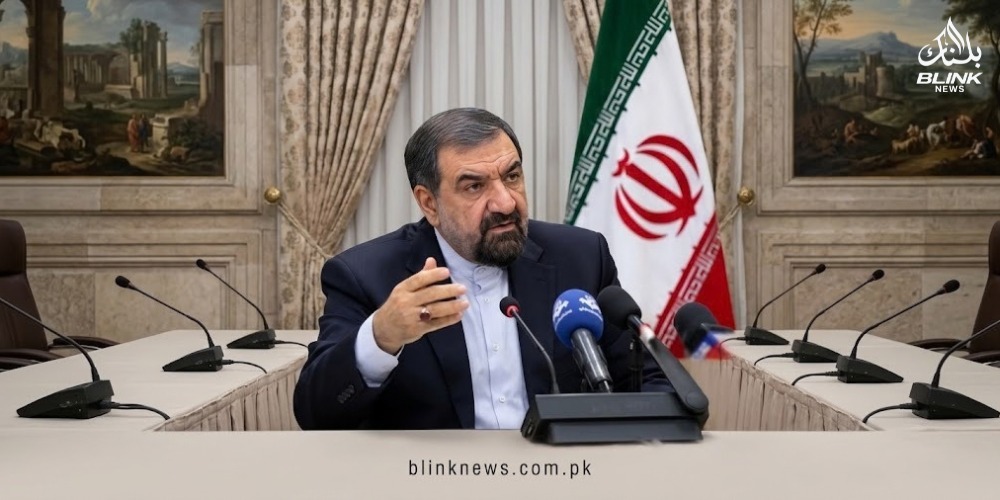
Iran has reportedly submitted its conditions to the United States as diplomatic efforts continue over tensions between the two countries. Iranian political and military figure Mohsen Rezaei said that Iran has made its position clear, but claimed that US President Donald Trump has not yet been able to make a decision on the Iranian demands.
The remarks come amid continued international attention on relations between Tehran and Washington. The Iran US tensions have remained a major concern for regional governments, financial markets, and global energy markets because developments between the two countries can affect security across the Middle East.
According to Rezaei, Tehran has communicated the conditions it considers important for any potential diplomatic understanding. The comments were reported as discussions and political messages between Iran and the United States continue.
Iran Has Submitted Its Conditions to the United States
Mohsen Rezaei said that Iran has submitted its conditions to US officials, indicating that Tehran has clearly outlined what it expects before moving toward any possible agreement or diplomatic arrangement.
Iranian officials have repeatedly emphasized issues such as national sovereignty, security guarantees, sanctions, and the country’s nuclear rights when discussing relations with Washington. Tehran has also maintained that negotiations should respect Iran’s national interests.
Rezaei’s latest comments suggest that the Iranian side considers its position sufficiently clear and is now waiting to see how Washington responds.
The statement does not necessarily mean that a formal agreement is close. Diplomatic negotiations often involve multiple stages, and public statements from political figures can reflect broader positions rather than finalized terms.
Why Trump Faces a Difficult Decision
Rezaei claimed that Trump cannot decide how to respond to Iran’s conditions. The statement reflects the significant political and strategic challenges surrounding any possible US-Iran agreement.
The Trump administration would need to consider several factors, including US national security objectives, regional alliances, sanctions policy, and Iran’s nuclear activities.
Any decision involving Tehran could also affect relations between Washington and countries in the Middle East. US partners in the region have their own security concerns and interests regarding Iran.
For Iran, meanwhile, accepting an agreement would likely depend on whether Tehran believes its key demands have been addressed and whether any commitments from Washington would provide sufficient guarantees.
US-Iran Diplomatic Efforts Remain Under Attention
The latest comments have added to international interest in US Iran negotiations and the possibility of renewed diplomatic engagement.
Over the years, disagreements between Washington and Tehran have focused on Iran’s nuclear program, sanctions, regional security, and military activities. These issues have made direct diplomatic progress difficult.
Iran has frequently called for sanctions relief and respect for its sovereignty. The United States has sought commitments concerning Iran’s nuclear activities and broader regional security issues.
As a result, even when diplomatic channels remain open, reaching a comprehensive understanding can be complicated.
Role of Regional and International Mediators
Countries in the Middle East and other international actors have periodically attempted to facilitate communication between Iran and the United States.
Mediators can provide channels for indirect communication when direct talks become politically difficult. Messages can be exchanged through diplomatic officials, regional governments, or international organizations.
Such efforts can help reduce misunderstandings and create opportunities for further negotiations, although they do not guarantee a final agreement.
Potential Impact on the Middle East
Developments involving Iran and the United States can have consequences beyond the two countries. Any significant change in bilateral relations could influence regional security, oil markets, shipping routes, and diplomatic relations.
The Iran US tensions are particularly important because the region includes major energy-producing countries and strategically important maritime routes.
Global markets often monitor statements from Washington and Tehran closely because military escalation or diplomatic progress can affect expectations about oil supply and regional stability.
For countries such as Pakistan, developments between Iran and the United States are also important because of geographical proximity and economic links with the wider region.
What Happens Next?
The next stage will depend largely on how Washington responds to the conditions reportedly presented by Tehran.
If the two sides identify areas of common ground, further diplomatic discussions could take place. However, disagreements over sanctions, security guarantees, nuclear activities, and regional policy could continue to complicate negotiations.
Rezaei’s statement should therefore be viewed as an indication of Iran’s political position rather than confirmation of a completed agreement.
BlinkNews will continue to monitor developments involving Iran, the United States, Donald Trump, and other relevant regional actors as further statements emerge.
Conclusion
Mohsen Rezaei’s latest remarks indicate that Iran has submitted its conditions to US officials and is awaiting a response from Washington. His claim that Trump is struggling to decide highlights the complexity surrounding any potential diplomatic understanding between the two countries.
The situation remains fluid, with sanctions, nuclear policy, regional security, and political considerations all playing important roles. Further statements from Tehran and Washington will be important in determining whether the current diplomatic discussions lead to additional negotiations or remain at the level of political messaging.
For readers following international affairs, the evolving relationship between Iran and the United States remains a significant regional and global issue.