
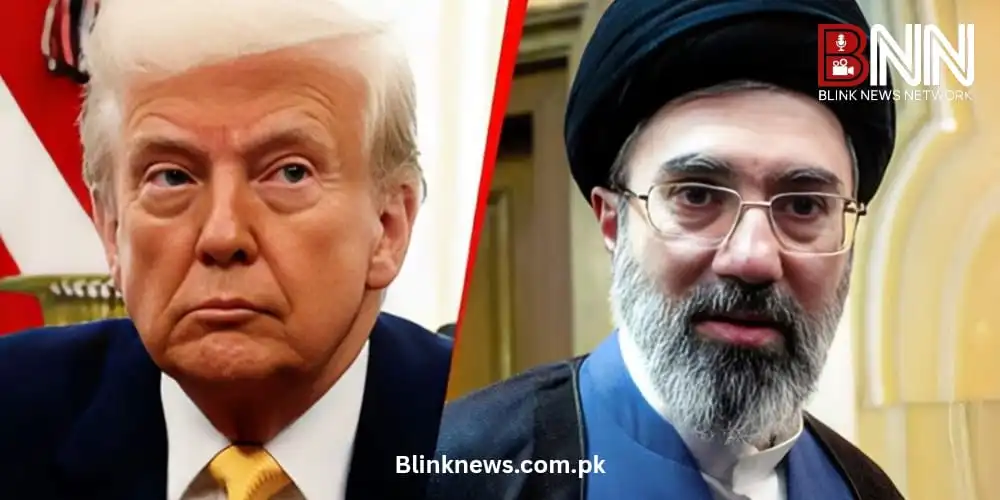
Tensions between Iran and the United States intensified sharply on Monday after senior Iranian officials warned Washington that it has “no alternative” but to accept Tehran’s proposed 14-point framework aimed at ending the escalating regional crisis and avoiding what Iran described as “one failure after another.”
Iranian Parliamentary Speaker Mohammad Bagher Ghalibaf delivered the fiery remarks amid growing uncertainty surrounding fragile ceasefire efforts and stalled diplomatic negotiations involving the United States, Gulf nations, and regional mediators. According to Iranian media reports, Tehran believes its proposal offers the only realistic path toward de-escalation in the Middle East following weeks of military confrontation, economic pressure, and rising instability in the Gulf region.
“The longer they drag their feet, the more American taxpayers will pay for it,” Ghalibaf warned, accusing Washington of continuing a “one-sided” and “unreasonable” strategy toward Iran. Iranian officials insist that any agreement must include recognition of Iran’s sovereignty, the lifting of sanctions, and guarantees against future military action.
The dramatic warning comes after reports emerged that the United States had engaged Gulf allies in discussions over a draft United Nations resolution aimed at stopping attacks in the Strait of Hormuz — one of the world’s most critical oil shipping routes. Tehran has strongly opposed the initiative, arguing that any resolution failing to acknowledge “aggression, siege, and Iran’s right to self-defence” would ultimately collapse.
Diplomatic sources say Iran’s 14-point proposal includes demands for sanctions relief, an end to maritime restrictions, protection from future attacks, and recognition of Tehran’s regional security concerns. However, reports suggest Washington rejected several of the conditions, particularly clauses linked to Iran’s nuclear activities and strategic influence in the Gulf.
US President Donald Trump has reportedly dismissed parts of Iran’s response as “totally unacceptable,” while warning that military pressure could resume if negotiations fail. American officials continue to demand stricter controls on uranium enrichment and broader security guarantees in the region.
The standoff has rattled global markets, with investors increasingly concerned about disruptions in energy supplies through the Strait of Hormuz. Oil prices have already surged amid fears that prolonged instability could trigger wider economic fallout and threaten global shipping operations.
Analysts say both Washington and Tehran are now engaged in a high-stakes political and economic battle where neither side appears willing to back down. While the United States and its allies maintain military superiority, Iran continues to leverage regional pressure points, particularly strategic waterways and energy routes, to increase the cost of confrontation.
Despite the aggressive rhetoric, diplomatic channels remain open through regional mediators including Pakistan and Gulf states. However, experts warn that unless both sides compromise soon, the region could face another dangerous cycle of escalation with potentially devastating consequences for global security and energy markets.