
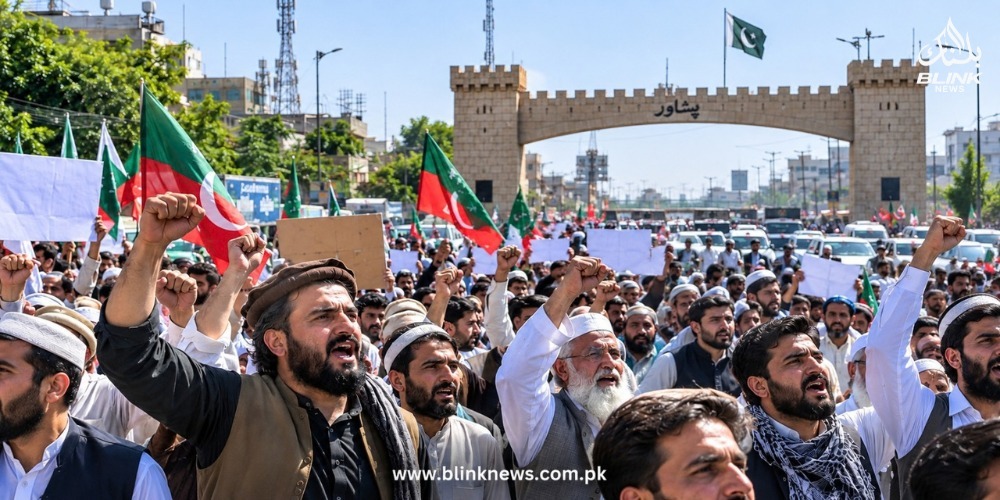
Protesters in Khyber Pakhtunkhwa have raised serious concerns about provincial governance, claiming that the Khyber Pakhtunkhwa Government has left the public without adequate support for the past 13 years. The protesters pointed to continuing problems affecting ordinary citizens and questioned the government’s performance in addressing basic public needs.
The criticism comes amid growing political debate over governance, public services and development in the province. Demonstrators said people have faced difficulties in several areas while successive provincial administrations have failed to provide sufficient relief.
The latest position has added to the wider political discussion surrounding Khyber Pakhtunkhwa and the responsibilities of its provincial leadership.
Protesters Raise Questions Over 13 Years of Governance
According to the protesters, residents of Khyber Pakhtunkhwa have experienced prolonged difficulties despite repeated political promises. They argued that the provincial government should have done more to improve the lives of citizens and strengthen essential services.
The protesters’ main criticism centers on what they describe as a lack of effective governance. They believe that public concerns have remained unresolved for years, creating frustration among communities across the province.
The claim that people have been left “helpless” for 13 years is particularly significant because it reflects dissatisfaction with the overall direction of provincial governance rather than a single policy or recent decision.
Public Services Remain a Major Concern
Healthcare, education, infrastructure and employment are among the issues frequently discussed in connection with development in Khyber Pakhtunkhwa.
Healthcare and Education Challenges
Access to quality healthcare remains an important concern for people living in both urban and rural areas. Residents in remote districts can face additional difficulties when seeking medical treatment and other essential services.
Education is another major area of public interest. Communities expect provincial authorities to provide functioning schools, qualified teachers and better educational facilities for children and young people.
Protesters argue that addressing these basic requirements should remain a central responsibility of the provincial administration.
Infrastructure and Employment
Roads, transportation, water supply and other infrastructure projects also have a direct impact on daily life. Poor infrastructure can create difficulties for residents and businesses while limiting economic opportunities.
Unemployment and the lack of sustainable economic opportunities are similarly important concerns, particularly for young people. Protesters have called for stronger measures to create jobs and improve economic conditions.
Political Debate Intensifies in Khyber Pakhtunkhwa
The criticism has emerged during an already active political environment in the province. Khyber Pakhtunkhwa has remained an important center of political activity, with public gatherings and political statements regularly drawing national attention.
The Khyber Pakhtunkhwa Government faces the challenge of responding to these concerns while defending its record of governance and development.
Political parties often highlight their development initiatives, reforms and public welfare programs when discussing their performance. However, opposition groups and protesters may evaluate government performance differently, focusing on unresolved problems faced by citizens.
This difference in political narratives has contributed to continued debate over the province’s future direction.
Law and Order Also Remains a Key Issue
Law and order is another major concern for residents of Khyber Pakhtunkhwa. The province has faced security challenges over the years, particularly in areas close to the Afghanistan border.
Security conditions can have a direct effect on economic activity, education, healthcare access and everyday life. Communities affected by instability often require additional government support and effective public institutions.
Protesters therefore want provincial authorities to address security and governance concerns together rather than treating them as separate issues.
Government Response Will Be Closely Watched
The allegations raised by protesters are likely to remain part of the political discussion unless addressed through a detailed government response.
For the provincial administration, responding to public criticism provides an opportunity to explain its policies, development projects and achievements. It can also outline measures being taken to address remaining challenges.
The debate is not limited to political parties. Citizens are increasingly interested in measurable improvements in public services, infrastructure, employment and security.
BlinkNews will continue to follow developments related to Khyber Pakhtunkhwa politics and report important statements from government officials, political leaders and public representatives.
What the Protesters Are Demanding
The protesters’ position highlights a broader demand for accountable and responsive governance. They want authorities to pay greater attention to everyday problems and ensure that government resources translate into tangible improvements.
Public accountability can include better service delivery, transparency in development projects and regular engagement with communities.
Need for Greater Public Engagement
Direct communication between authorities and citizens can help identify problems before they become larger political disputes. Public representatives can also use such engagement to understand local priorities and explain government decisions.
The current criticism demonstrates that political stability and public confidence depend not only on government policies but also on how effectively citizens see those policies being implemented.
Conclusion
The protesters’ claim that people in Khyber Pakhtunkhwa have been left without support for 13 years has intensified the debate over provincial governance. Their concerns cover public services, infrastructure, employment, security and accountability.
The Khyber Pakhtunkhwa Government now faces continued pressure to demonstrate progress on issues that directly affect citizens. Whether the latest criticism leads to further political action or a government response remains to be seen.
As public debate continues, the performance of provincial institutions and the government’s ability to address genuine grievances will remain important issues in Khyber Pakhtunkhwa.