
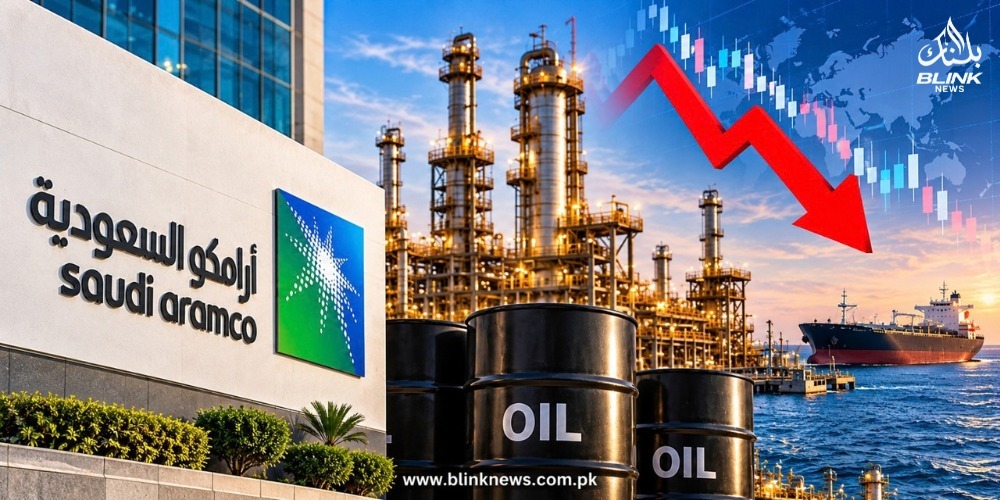
Saudi Aramco has reduced the official selling prices of its Arab Medium and Arab Heavy crude grades for Asian buyers for November, according to the latest pricing decision. The move is being closely watched by refiners, traders and energy market participants across Asia.
The adjustment in Saudi Aramco oil prices could influence buying decisions among Asian refiners because Saudi Arabia is one of the region’s most important crude suppliers. Changes in the country’s official selling prices can provide an indication of how the world’s largest oil exporter views market conditions and regional demand.
The latest reduction comes as international energy markets continue to respond to changes in crude demand, refinery economics, geopolitical developments and competition among major oil-producing countries.
Saudi Aramco Reduces November Crude Prices
Saudi Aramco’s decision covers Arab Medium and Arab Heavy crude grades supplied to Asian customers. These grades are important for refiners because different crude qualities are used according to refinery configurations and product requirements.
The adjustment in Saudi Aramco oil prices gives Asian buyers updated pricing for November cargoes. Official selling prices are generally closely monitored because they influence the cost of physical crude purchased by refiners.
Saudi Aramco regularly reviews its crude pricing for different regions, including Asia, Europe and the United States. The pricing structure can change according to market conditions and the relative value of competing crude grades.
Why Asia Is Important for Saudi Oil
Asia represents a major market for Saudi crude. Countries across the region have large refining industries that rely on imports from the Middle East to meet their energy and fuel requirements.
Saudi Arabia has established long-term relationships with major Asian refiners, making the region particularly important for Aramco’s export strategy.
When Saudi crude prices are reduced, refiners may view the change as an opportunity to secure supplies at more competitive levels. However, the actual impact depends on factors such as freight costs, refinery margins, alternative crude supplies and expected fuel demand.
Arab Medium and Arab Heavy Crude
Arab Medium and Arab Heavy are among Saudi Arabia’s major crude grades. Their characteristics make them suitable for refineries equipped to process medium and heavier crude.
Refiners generally compare the pricing of Saudi grades with other available supplies before making purchasing decisions. These alternatives can include crude from other Middle Eastern producers as well as supplies from regions such as Russia, Africa and the Americas.
The latest pricing decision could therefore affect competition among crude suppliers in the Asian market.
What the Price Reduction Means for Asian Refiners
The reduction in Saudi Aramco oil prices may provide some relief to Asian refiners facing pressure from crude costs and changing fuel-market conditions.
Refining companies typically monitor crude prices alongside gasoline, diesel, jet fuel and other petroleum-product prices. A lower crude acquisition cost can potentially improve refining economics if product prices remain supportive.
However, a price reduction does not automatically mean cheaper fuel for consumers. Retail fuel prices also depend on taxes, transportation costs, exchange rates, refining expenses and government policies.
The effect on individual markets will therefore vary from country to country.
Global Oil Market Remains Closely Watched
The latest Aramco pricing move comes amid continued uncertainty in the global oil market. Investors and traders are monitoring production levels, international demand and geopolitical developments that could influence supply.
Saudi Arabia remains one of the most influential players in the global oil industry. Decisions by Saudi Aramco are therefore watched not only by Asian refiners but also by international energy traders and analysts.
The November pricing adjustment could offer an indication of competitive conditions in the Asian crude market. It may also influence how refiners evaluate Saudi barrels compared with alternative supplies.
Impact on Crude Oil Competition in Asia
Asia’s refining sector is highly competitive, with buyers constantly evaluating the most economical sources of crude. Pricing decisions by major producers can influence the flow of physical oil between markets.
For Saudi Aramco, maintaining strong demand from Asian customers is strategically important. Competitive pricing can help the company preserve its position in a market where refiners have multiple supply options.
The latest Saudi Aramco oil prices will consequently remain an important reference point for companies planning their November crude purchases.
BlinkNews will continue to monitor developments in global energy markets and report on major changes involving Saudi Aramco, crude oil prices and international fuel markets.
What to Watch Next
Market participants will be watching future pricing decisions from Saudi Aramco as well as broader changes in international crude benchmarks.
Developments in global oil demand, refinery operations, production policies and geopolitical conditions could influence subsequent official selling prices.
Asian refiners will also continue comparing Saudi crude with competing grades to determine their optimal purchasing strategies for the coming months.
Conclusion
Saudi Aramco’s decision to reduce November prices for Arab Medium and Arab Heavy crude supplied to Asia highlights changing conditions in the regional oil market. The adjustment could influence purchasing decisions among Asian refiners and affect competition between major crude suppliers.
While the direct impact on consumers will depend on several other factors, the latest Saudi Aramco oil prices provide an important signal for refiners and traders monitoring the Asian energy market. As global oil conditions continue to evolve, further pricing decisions from Saudi Aramco are likely to receive close attention.