
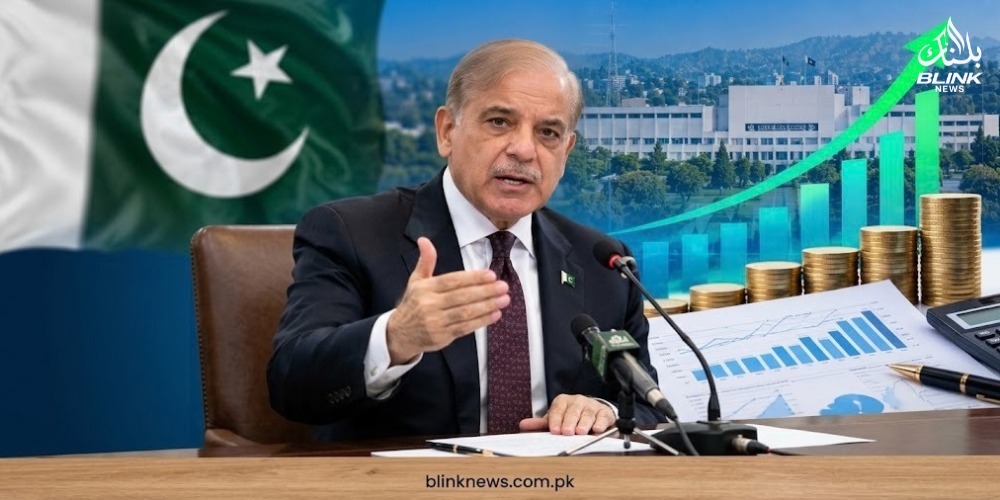
Prime Minister Shehbaz Sharif has said that the Pakistan economy is continuing to show improvement as key macroeconomic indicators move in a more positive direction. The statement highlights the government’s focus on economic stability, fiscal management, investment, and structural reforms.
Speaking about the country’s economic situation, the prime minister emphasized the importance of maintaining the current momentum and implementing policies designed to strengthen financial stability. According to the government’s position, improvements in major economic indicators reflect the impact of ongoing economic measures.
The development comes as Pakistan continues efforts to address inflationary pressures, improve foreign exchange conditions, increase investment, and strengthen public finances.
Government Highlights Key Economic Indicators
Macroeconomic indicators provide an important picture of a country’s financial and economic health. These indicators include inflation, economic growth, foreign exchange reserves, the current account balance, fiscal performance, exports, imports, and investment.
The government has been closely monitoring these indicators as part of its broader economic strategy. Prime Minister Shehbaz Sharif has stressed that continued improvement will require policy consistency and effective implementation of reforms.
Inflation and Financial Stability
Inflation remains one of the most important economic concerns for households and businesses in Pakistan. Changes in consumer prices directly affect purchasing power and the cost of living.
The government has therefore placed economic stability and price management among its key priorities. Improving inflation trends, where sustained, can provide greater relief for consumers while also creating a more predictable environment for businesses.
At the same time, monetary and fiscal policies remain important components of the country’s broader economic management strategy.
Foreign Exchange and Current Account Position
Pakistan’s foreign exchange position is another major indicator of economic stability. Foreign exchange reserves are important for meeting external payment obligations and supporting confidence in the economy.
The current account is also closely watched because it reflects the balance between the country’s earnings and payments from international trade and other external transactions.
The government has highlighted developments in external-sector indicators as part of its assessment of the Pakistan economy. Exports, remittances, imports, and external financing all play a role in determining the country’s overall balance of payments position.
For Pakistan, maintaining a stable external account remains particularly important because the country has historically faced pressure from high import requirements and external financing needs.
Economic Reforms Remain a Key Priority
The prime minister has also emphasized the importance of continuing economic reforms. Improving macroeconomic indicators is generally linked not only to short-term financial measures but also to longer-term structural changes.
Reforms can involve areas such as taxation, energy-sector management, public-sector efficiency, investment facilitation, and improving the business environment.
The government has been working to strengthen revenue collection and reduce fiscal pressures while seeking greater investment in productive sectors.
Investment and Business Activity
Investment is another important component of sustainable economic growth. Greater private-sector investment can support job creation, industrial activity, exports, and government revenues.
Pakistan is also seeking to attract foreign investment in sectors with growth potential. Government officials have repeatedly highlighted the role of investment and business activity in strengthening the country’s economic base.
For investors, consistency in economic policy, regulatory clarity, energy availability, and financial stability are among the factors that can influence investment decisions.
Exports and Remittances Support the Economy
Exports and workers’ remittances remain important sources of foreign exchange for Pakistan. Stronger export performance can help improve the country’s external position, while remittances provide significant support to household incomes and foreign exchange inflows.
The government is seeking to expand economic activity by supporting exporters, encouraging investment, and improving trade-related policies.
Technology, information services, agriculture, manufacturing, and other productive sectors are frequently identified as areas with potential to contribute to future economic growth.
What the Economic Improvement Means for Pakistan
The reported improvement in macroeconomic indicators is significant because economic stability can create a foundation for longer-term growth. However, maintaining that improvement requires continued policy implementation and careful management of economic risks.
Pakistan continues to face challenges including debt servicing requirements, energy-sector issues, fiscal pressures, unemployment, and the need to increase productive investment.
Therefore, improvements in individual indicators need to be sustained over time before they translate into broader economic benefits for households and businesses.
According to the government, maintaining economic discipline and continuing reforms will be essential for strengthening the Pakistan economy.
Outlook for Pakistan’s Economic Stability
The latest comments from the prime minister underline the government’s confidence in the direction of the country’s economic indicators. The focus is now on maintaining stability while creating conditions for sustainable economic growth.
Future performance will depend on several factors, including inflation, investment, exports, remittances, fiscal management, foreign exchange reserves, and progress on structural reforms.
For readers of BlinkNews, the developments remain important because changes in the country’s macroeconomic position can affect businesses, consumers, investors, and government policy.
Conclusion
Prime Minister Shehbaz Sharif has highlighted continued improvement in Pakistan’s macroeconomic indicators, pointing to economic stability as an important government priority. While the government views recent developments positively, sustaining these trends will require consistent reforms, responsible fiscal management, stronger investment, and continued attention to external-sector pressures.
The performance of inflation, foreign exchange reserves, exports, remittances, investment, and economic growth will remain important indicators for assessing the future direction of the Pakistan economy. Continued monitoring of these indicators will provide a clearer picture of whether recent improvements can develop into sustained and broad-based economic growth.