
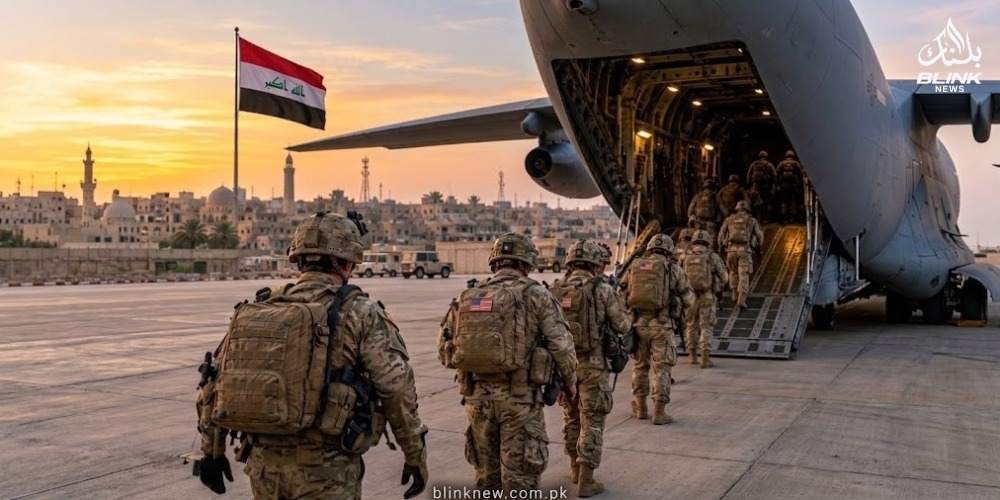
The US military withdrawal from Iraq marks a major development in the relationship between Washington and Baghdad after more than two decades of American military involvement in the country. The reported move comes as Iraq and the United States continue to discuss the future of security cooperation, counterterrorism efforts and the role of foreign forces.
The presence of US troops in Iraq has changed significantly since the American-led invasion in 2003. Over the years, American forces have taken part in combat operations, supported Iraqi security forces and contributed to international efforts against extremist groups.
According to the development outlined in the latest reports, the withdrawal process is now moving forward as both countries adjust their security arrangements.
US Military Presence in Iraq Has Changed Over Time
The history of American forces in Iraq dates back to the 2003 invasion that removed Saddam Hussein’s government. The US military later became involved in rebuilding Iraq’s security institutions and supporting the development of Iraqi forces.
American combat troops were withdrawn from Iraq in 2011. However, the US military returned several years later after the rise of Islamic State, also known as ISIS, created a new regional security crisis.
The renewed deployment focused heavily on counterterrorism and assistance to Iraqi forces. US troops worked alongside Iraqi security personnel and international partners during operations against ISIS.
Over time, the mission changed from direct combat operations toward training, advising and supporting local security forces.
Why Are US Troops Leaving Iraq?
The reported US military withdrawal from Iraq is connected to the broader evolution of the security relationship between the two countries.
Iraq has spent years developing its own military and security capabilities. Iraqi forces have taken greater responsibility for national security and counterterrorism operations, reducing the need for a large-scale foreign military presence.
Washington and Baghdad have also discussed how their relationship should develop after the international coalition’s major military mission against ISIS.
The transition does not necessarily mean an end to cooperation between the United States and Iraq. Instead, the two countries can continue working together through security agreements, intelligence cooperation, training and diplomatic channels.
What Does the Withdrawal Mean for Iraq?
The departure of American troops could have important implications for Iraq’s domestic security environment and its wider foreign relations.
Iraqi authorities have increasingly emphasized the country’s ability to manage security challenges through national institutions. A reduced foreign military presence could strengthen Baghdad’s role in determining its own security priorities.
At the same time, Iraq remains located in a strategically important part of the Middle East. Developments involving neighboring countries, armed groups and regional tensions could influence future security arrangements.
The Iraqi government therefore faces the challenge of maintaining security capabilities while managing relationships with major international and regional powers.
Counterterrorism Cooperation Could Continue
Although the US military withdrawal from Iraq represents a change in the physical presence of American forces, counterterrorism cooperation may remain an important part of the bilateral relationship.
ISIS has lost much of the territory it once controlled, but extremist networks continue to be viewed as a security concern in Iraq and the wider region.
US and Iraqi officials can continue exchanging information and coordinating against terrorism even as the military footprint changes.
The exact form of future cooperation will depend on agreements between Baghdad and Washington and on developments in Iraq’s security environment.
Regional Impact of the US Withdrawal
The movement of American forces out of Iraq is also being watched across the Middle East.
The United States maintains security partnerships with several countries in the region, while Iraq has important political, economic and security relationships with neighboring states.
A reduction in the US military presence could therefore affect regional calculations involving Iran, Gulf countries and other international partners.
For Washington, the transition reflects a broader effort to adjust its military commitments while maintaining strategic relationships. For Baghdad, it provides an opportunity to emphasize greater control over national security policy.
What Happens Next?
The next stage will depend on how quickly the withdrawal proceeds and what security arrangements replace the departing forces.
The Iraqi government is expected to remain responsible for protecting the country’s territory and addressing domestic security threats. The United States, meanwhile, can maintain diplomatic and security ties without necessarily relying on the same level of military deployment seen in previous years.
For readers following the development, BlinkNews will continue to monitor announcements from Iraqi authorities, the US government and other relevant international sources.
Conclusion
The US military withdrawal from Iraq represents another significant stage in a relationship that has undergone major changes since 2003. From the initial invasion and later withdrawal to the return of troops during the fight against ISIS, America’s role in Iraq has evolved considerably.
The latest withdrawal process highlights Iraq’s growing responsibility for its own security while also raising questions about the future of US-Iraq cooperation.
While the military presence may be reduced, security, diplomatic and counterterrorism ties between the two countries can continue. The long-term impact will depend on Iraq’s security capabilities, regional developments and the future agreements reached between Baghdad and Washington.