
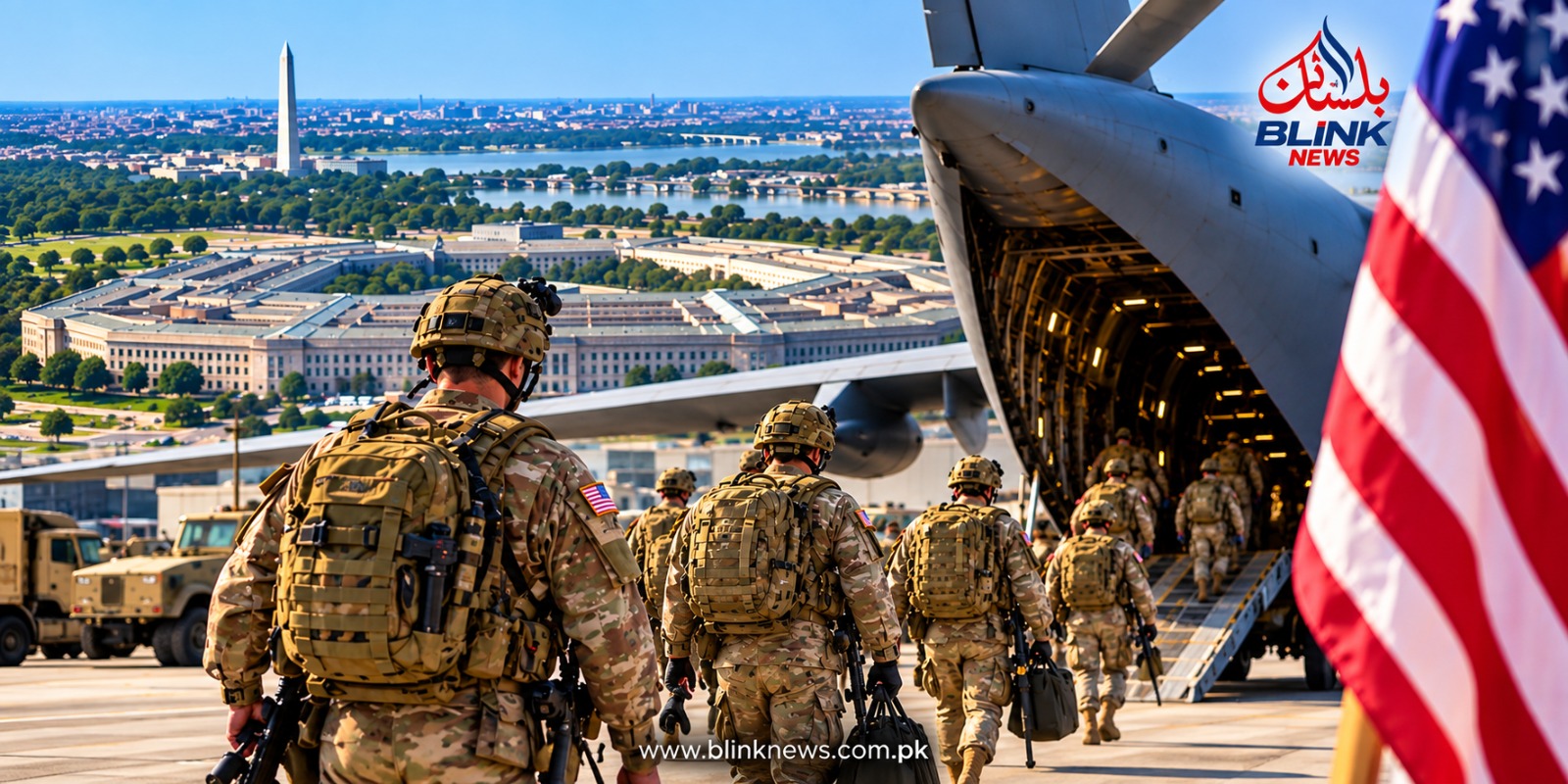
The Pentagon military deployment to the Middle East is drawing attention as the United States considers measures to strengthen its military posture in a region facing heightened security tensions. Any major movement of American forces could have implications for regional deterrence, defense planning and the security of US personnel and partners.
The Pentagon, the headquarters of the US Department of Defense, is responsible for planning and coordinating America’s military operations. A larger military presence in the Middle East could involve a combination of air, naval and ground capabilities, depending on the security requirements identified by US officials.
For readers following international developments, BlinkNews will continue to track official announcements and developments surrounding the United States and the Middle East.
Pentagon Reviews Military Options for the Region
Reports about a potential Pentagon military deployment to the Middle East come as Washington continues to monitor developments affecting American interests and military personnel across the region.
The United States maintains military assets and personnel at various locations in the Middle East. These forces support a range of missions, including regional security, maritime protection, air defense and operations against recognized security threats.
A decision to increase the US military presence would normally involve assessments by the Pentagon, US Central Command and other parts of the US government. The exact scale and composition of any deployment would depend on operational requirements and decisions made by American authorities.
Military deployments can include aircraft, naval vessels, air-defense capabilities, logistics personnel and additional troops. However, individual movements do not necessarily indicate that a broader military conflict is imminent.
Why the Middle East Remains Strategically Important
The Middle East remains strategically important to the United States because of its geographic position, energy infrastructure, major shipping routes and longstanding security partnerships.
The region also includes important maritime routes connecting Asia, Europe and the global energy market. Any disruption to commercial shipping or critical infrastructure can create wider economic and security concerns.
For Washington, maintaining military capabilities in the region can provide options for protecting US personnel and responding to emerging threats. American forces can also work with regional partners on surveillance, defensive operations and maritime security.
The latest discussion around the Pentagon military deployment to the Middle East therefore needs to be viewed within this broader security framework.
Potential Role of US Air and Naval Forces
Any significant US military buildup could potentially involve air and naval assets.
American aircraft can provide surveillance, air-defense support and rapid-response capabilities. Naval forces can also play an important role because the Middle East includes strategically significant waterways and maritime trade routes.
US naval deployments may support freedom of navigation and the protection of commercial shipping. At the same time, additional air-defense capabilities can be used to protect military facilities and personnel from potential attacks.
The Pentagon generally does not disclose every operational detail publicly, particularly when movements involve active military planning. This means that early reports about deployments can change as decisions are finalized.
US Central Command’s Regional Role
US Central Command, commonly known as CENTCOM, oversees American military operations across a broad area that includes the Middle East.
CENTCOM works with other US military commands and regional partners to coordinate security activities. Its role becomes particularly important when Washington adjusts its force posture in response to changing conditions.
Any confirmed deployment should therefore be assessed through official statements from the Pentagon, CENTCOM and other authorized US government sources.
Impact on Regional Security
A larger American military presence could influence calculations by governments and armed groups across the region. Supporters of increased deployments may view additional forces as a deterrent, while regional actors could interpret major military movements differently depending on the circumstances.
The potential effects also extend beyond military issues. Investors and energy markets closely monitor developments in the Middle East because prolonged instability can affect oil prices, shipping costs and international trade.
For countries in South Asia, including Pakistan, developments in the Middle East can also have economic implications. Changes in global energy prices can affect transportation costs, inflation and import bills.
What to Watch Next
The most important developments will likely come from official Pentagon announcements and statements by US government officials.
Key issues to watch include the number and type of forces involved, their destination, the stated purpose of the deployment and whether regional allies are involved.
It will also be important to distinguish confirmed military movements from reports based on unnamed sources or preliminary assessments. Defense deployments can change rapidly as commanders and policymakers respond to developments on the ground.
BlinkNews will continue to follow verified developments involving the Pentagon, US military forces and Middle East security.
Conclusion
The reported Pentagon military deployment to the Middle East highlights the continuing importance of the region in US defense planning. Any increase in American military capabilities could affect regional deterrence, maritime security and the protection of US personnel.
However, the significance of a deployment depends on its scale, mission and official purpose. Until the Pentagon or other authorized US officials provide confirmed details, reports about specific forces or locations should be treated cautiously.
The coming days will provide a clearer picture of Washington’s military posture and its potential impact on regional security.