
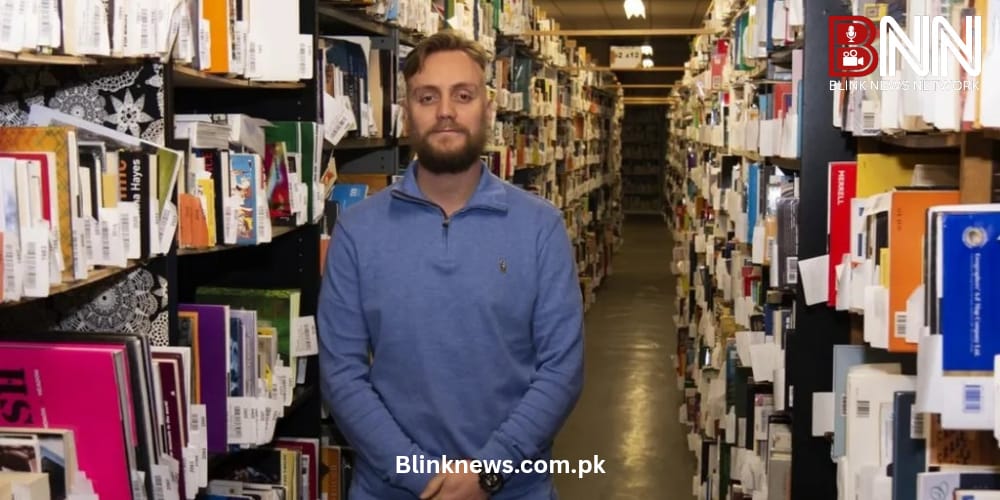
Secondhand book sales are gaining momentum as readers increasingly turn to used copies, raising a surprising question: could the rise of artificial intelligence be helping fuel a renewed appetite for physical books?
AI has rapidly changed how people search for information, consume content and discover new ideas. But as digital platforms become increasingly saturated with AI-generated material, some readers appear to be placing greater value on tangible, human-made experiences—including printed books.
Used bookstores and online resale platforms are benefiting from growing demand for affordable books, vintage editions and out-of-print titles. For many readers, buying secondhand offers a way to access books at significantly lower prices while also reducing waste.
The trend is emerging alongside a broader revival in reading culture. Social-media communities have helped turn books into lifestyle products, with readers sharing recommendations, collections and bookstore visits online. Secondhand books can add another attraction: they often carry unique covers, previous owners’ notes and a sense of history that a new digital copy cannot replicate.
AI may also be indirectly boosting demand. Recommendation tools can introduce readers to unfamiliar authors and older titles, potentially sending them searching for inexpensive physical editions. At the same time, concerns about misinformation and mass-produced AI content may be encouraging some consumers to seek established works and physical objects they perceive as more authentic.
However, there is no clear evidence that AI alone is responsible for the secondhand-book boom. Rising prices for new books, sustainability concerns, changing consumer habits and the growth of online resale markets are also likely contributing factors.
The result is an intriguing reversal in the digital age. As artificial intelligence makes information faster and more abundant than ever, readers may be rediscovering the appeal of something slower and more physical.
The question now is whether the secondhand-book boom represents a temporary trend—or the beginning of a lasting backlash against an increasingly AI-driven information economy.