
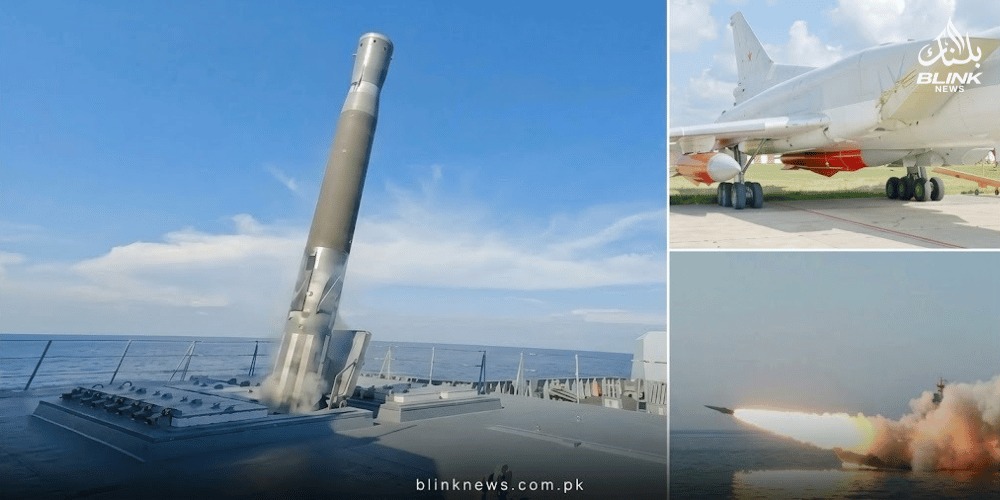
A covert Russian-Iranian military program reportedly continued even after the United States and Israel launched their war against Iran, according to a new investigation by the Financial Times. The program, reportedly known as C430L, focuses on helping Iran develop advanced supersonic cruise missile technology.
The project began in 2023 and reportedly involves Russian missile specialists working with Iranian officials on ramjet propulsion. Unlike conventional rocket engines, ramjets use the missile’s forward movement to compress incoming air, enabling sustained flight at speeds several times faster than sound.
According to the FT investigation, leaked Russian correspondence, travel records and military patents indicate that cooperation between Moscow and Tehran continued into 2026, including after the outbreak of the US-Israel conflict with Iran. Documents reportedly show discussions over technical reports and a potential next phase of the program.
The technology could eventually strengthen Iran’s ability to develop anti-ship and land-attack weapons, potentially creating a greater threat to US naval forces operating in the Middle East. However, an important distinction remains: there is currently no evidence that a Russian-assisted supersonic cruise missile has entered operational service. Iran has reportedly built and flight-tested a ramjet propulsion system, but deployment of a completed missile has not been confirmed.
The reported cooperation highlights the increasingly close military relationship between Russia and Iran and could have wider implications for regional security. It also demonstrates how long-term weapons-development projects can continue despite active conflict and heightened international tensions.