
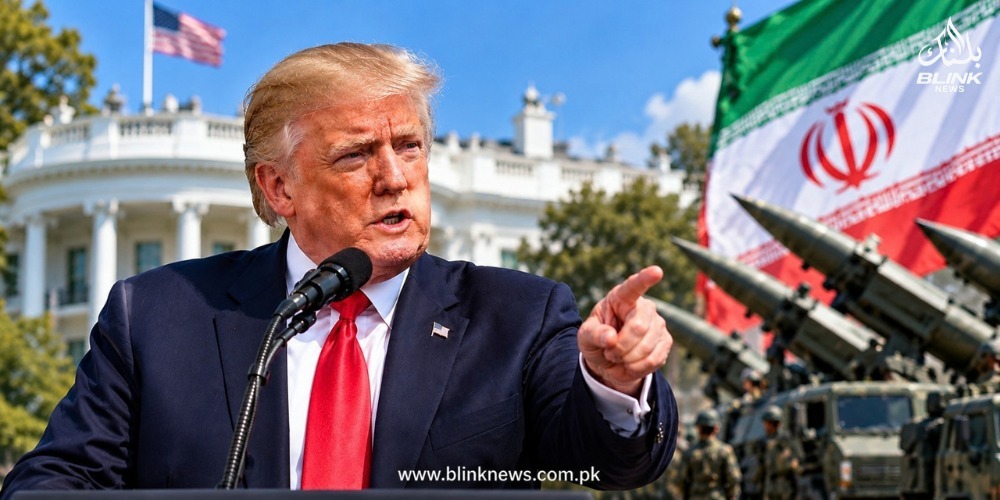
President Donald Trump has indicated that the United States will not launch an attack on Iran before the midterm elections, according to the reported statement. The development could have implications for US foreign policy, the security situation in the Middle East and the political debate ahead of the elections.
The issue comes amid continuing concerns over relations between Washington and Tehran. Any decision involving military action against Iran could affect regional stability, international energy markets and diplomatic efforts to reduce tensions.
However, the precise wording and context of Trump’s reported remarks are important. Without a verified official transcript or White House statement, the announcement should not be treated as confirmation of a permanent change in US military policy.
Trump’s Position on Iran Before the Midterm Elections
The reported statement suggests that the timing of possible military action against Iran is becoming an important part of the political discussion in the United States.
The midterm elections determine control of seats in the US Congress and can influence the president’s ability to advance domestic and foreign policy priorities. As a result, decisions involving military operations abroad may receive considerable attention from voters, lawmakers and political opponents.
The reported position does not necessarily mean that Washington has ruled out every form of pressure on Tehran. Economic sanctions, diplomatic engagement, intelligence activities and military deterrence are separate policy tools that the US administration could continue to consider.
For now, the key question is whether Trump’s reported remarks reflect a firm policy commitment or a statement about the timing of a possible operation.
Why the Midterm Elections Matter
The midterm elections are an important political test for the president and the ruling party. Voters assess the administration’s performance on issues such as inflation, employment, national security and international affairs.
A major military operation against Iran could become a central campaign issue, particularly if it leads to American casualties, increased fuel prices or wider regional instability.
Domestic Political Pressure
Military decisions can divide public opinion. Some voters may support a strong response to perceived security threats, while others may oppose another conflict in the Middle East because of its potential human and financial costs.
Congress also plays an important role in debates over military spending, oversight and the scope of presidential authority. A conflict with Iran could therefore intensify political disagreements in Washington.
By avoiding an attack before the elections, the administration could avoid some immediate political risks. However, the actual effect would depend on public opinion, economic conditions and developments in US-Iran relations.
US-Iran Tensions Remain a Major Foreign Policy Issue
Relations between Washington and Tehran have been shaped by disagreements over Iran’s nuclear programme, regional influence, sanctions and security concerns.
The United States has historically used a combination of economic pressure, diplomatic initiatives and military deterrence to pursue its objectives. Iran, meanwhile, has repeatedly opposed US pressure and defended what it describes as its national interests.
The Nuclear Issue and Regional Security
Iran’s nuclear programme remains one of the central issues in relations between the two countries. Concerns about nuclear activities, verification and enrichment have complicated efforts to establish a lasting diplomatic agreement.
The wider security environment also matters. Any direct military confrontation could affect neighbouring countries and increase the risk of retaliation against American interests or regional partners.
For these reasons, decisions about military action involve considerations that extend beyond the immediate relationship between Washington and Tehran.
What the Reported Decision Could Mean for the Middle East
If the United States refrains from attacking Iran before the midterm elections, it could provide additional time for diplomatic contacts and efforts to reduce tensions.
Nevertheless, postponing military action would not automatically resolve the disagreements between the two governments. A lasting improvement would require progress on the issues driving the confrontation.
Regional governments are likely to remain concerned about the possibility of escalation. Countries across the Middle East have significant interests in preventing a wider conflict that could disrupt trade, energy supplies and civilian security.
Potential Impact on Oil Prices
The possibility of military action against Iran can influence global energy markets because the Middle East is a major source of oil and natural gas.
Investors often respond to geopolitical uncertainty by reassessing the risks to production, shipping and supply routes. A serious escalation could place upward pressure on oil prices, while credible diplomatic progress could help reduce some uncertainty.
For Pakistan and other energy-importing countries, changes in international oil prices can affect fuel costs, transport expenses and inflation.
However, market movements depend on several factors, including actual supply disruptions, global demand, production decisions and broader economic conditions. A political statement alone does not guarantee a particular price movement.
What Happens Next?
The next stage will depend on official statements from the White House, developments in US-Iran diplomacy and any changes in the regional security situation.
Observers will also watch how the issue features in the American election campaign. Statements from congressional leaders and candidates could provide further insight into the domestic political debate over Iran policy.
It is important to distinguish between a reported intention to delay military action and a formal commitment not to use force. These are different positions and can have different implications for diplomatic planning.
BlinkNews will continue following developments in US foreign policy, Iran-related tensions and their potential consequences for international security and Pakistan’s economy.
Conclusion
The reported statement that Trump will not attack Iran before the midterm elections has drawn attention to the connection between American domestic politics and foreign policy. The timing of military decisions can influence election debates, regional security calculations and international energy markets.
However, the long-term direction of US-Iran relations remains dependent on verified policy announcements, diplomatic progress and developments on the ground. Until the reported remarks are confirmed in their full context, they should not be interpreted as a definitive end to the possibility of military action.