
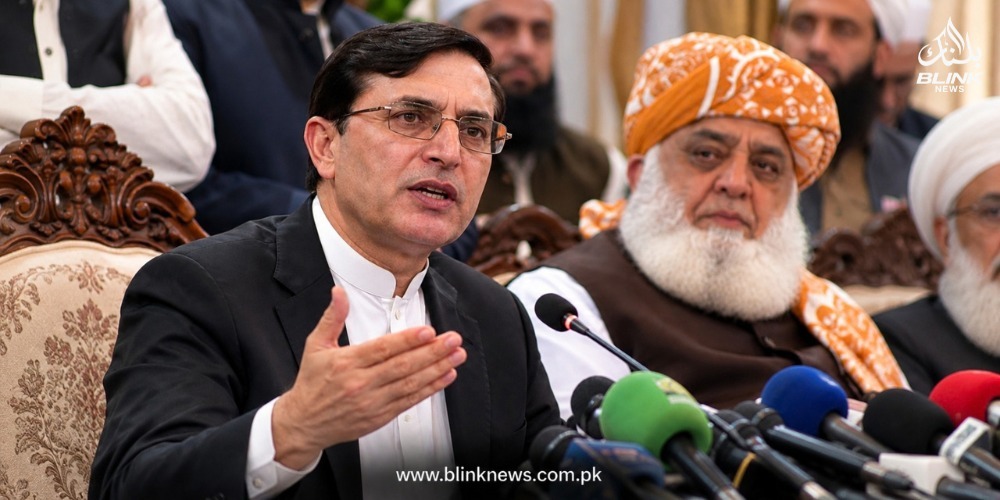
Pakistan’s political landscape continues to draw attention as political leaders discuss the possibility of dialogue and cooperation. Barrister Gohar has expressed hope that Maulana Fazlur Rehman will play a positive role in negotiations, highlighting the importance of communication between political parties.
The statement reflects the continuing interest in political dialogue as parties seek ways to address differences and move forward through consultation. In a politically divided environment, the involvement of experienced political leaders could help create opportunities for discussion and consensus.
For readers following Pakistan politics, the remarks underline the importance of negotiations in resolving disagreements. BlinkNews continues to follow political statements and developments that may influence relations between the government and opposition parties.
Barrister Gohar’s Statement on Political Negotiations
Barrister Gohar expressed optimism that Maulana Fazlur Rehman would contribute constructively to the negotiation process. His remarks highlighted the potential importance of Fazlur Rehman’s political experience and influence in discussions involving different political stakeholders.
Political negotiations often require patience, mutual understanding and a willingness to caonsider different perspectives. Leaders who maintain communication across political divisions can help create space for meaningful discussions.
The statement also draws attention to the role that political leadership can play in encouraging dialogue rather than allowing disagreements to deepen.
Although the precise outcome of any negotiations will depend on the positions adopted by the parties involved, expressions of willingness to cooperate can provide an opening for further consultation.
Why Maulana Fazlur Rehman’s Role Matters
Maulana Fazlur Rehman is a prominent Pakistani political leader who has remained active in national politics for decades. His experience in parliamentary politics and engagement with different political groups make his position relevant to discussions about political cooperation.
His potential involvement in negotiations could be significant if the participating parties are willing to discuss their differences through an agreed process.
Experience in Political Dialogue
Political negotiations frequently involve complicated questions, competing interests and disagreements over policy. Experienced leaders can sometimes help parties identify areas of common ground and establish channels for communication.
Maulana Fazlur Rehman’s political background may give him opportunities to engage with different stakeholders. However, his actual influence on a particular negotiation would depend on his willingness to participate and the positions of the parties involved.
Building Trust Between Political Parties
Trust remains one of the most important elements of successful political dialogue. Even when parties disagree on major issues, regular communication can help clarify their positions and reduce misunderstandings.
Barrister Gohar’s hope for a positive contribution from Fazlur Rehman reflects the broader importance of cooperation among political leaders. Constructive engagement could help create conditions for more productive discussions.
PTI Negotiations and the Need for Dialogue
Political negotiations involving Pakistan Tehreek-e-Insaf (PTI) and other political stakeholders have attracted considerable public attention. Differences between political parties can affect parliamentary cooperation, governance and the wider political environment.
Dialogue offers an alternative to prolonged confrontation, provided that all sides are prepared to engage in good faith.
The discussion surrounding Maulana Fazlur Rehman negotiations highlights the possibility that political figures outside a direct negotiating group may also influence the atmosphere surrounding talks. Their statements, consultations and relationships with other leaders can affect how political developments unfold.
However, the success of any negotiation depends on more than public expressions of support. Parties must identify their objectives, agree on the issues to be discussed and determine whether compromises are possible.
Without clear communication and practical steps, political statements alone may not lead to a formal agreement.
Challenges Facing Political Negotiations in Pakistan
Despite the potential benefits of dialogue, negotiations can face several obstacles.
Differences Over Political Demands
Political parties often enter discussions with different priorities. One side may focus on political representation or institutional concerns, while another may emphasize governance, legal processes or parliamentary stability.
Reconciling these positions requires a willingness to listen and explore workable solutions.
Maintaining Consistent Communication
Negotiations can lose momentum when communication breaks down or public statements create additional tensions. Consistent engagement helps parties clarify their expectations and avoid unnecessary misunderstandings.
Political leaders may also need to distinguish between public messaging and the detailed discussions required to reach an agreement.
Ensuring Meaningful Progress
For negotiations to produce lasting results, discussions must move beyond general statements. Agreed procedures, clearly defined objectives and continued consultation can help turn political intentions into practical outcomes.
The involvement of respected political figures may support this process, but progress ultimately depends on the decisions made by the negotiating parties.
What Political Dialogue Could Mean for Pakistan
A constructive negotiation process could help reduce political tensions and improve cooperation among parties. Greater communication may also create opportunities to address disagreements through parliamentary debate, consultation and established democratic procedures.
For the public, political stability matters because prolonged confrontation can distract attention from economic pressures, public services and other national priorities.
Nevertheless, negotiations do not guarantee immediate agreement. Different parties may continue to disagree even after several rounds of discussion.
The key question is whether political leaders can maintain communication and identify areas where cooperation is possible without abandoning their core positions.
BlinkNews will continue to monitor relevant statements from Barrister Gohar, Maulana Fazlur Rehman and other political leaders as developments emerge.
Conclusion
Barrister Gohar’s hope that Maulana Fazlur Rehman will play a positive role in negotiations highlights the continuing importance of political dialogue in Pakistan. Fazlur Rehman’s experience and engagement in national politics could make his contribution relevant if the parties pursue further consultation.
However, the outcome will depend on the willingness of political stakeholders to communicate, address disagreements and work toward practical solutions. Constructive negotiations could create opportunities for greater cooperation, although meaningful progress will require sustained effort from all sides.
Follow BlinkNews for updates on Pakistan politics, political negotiations and statements from key national leaders.