
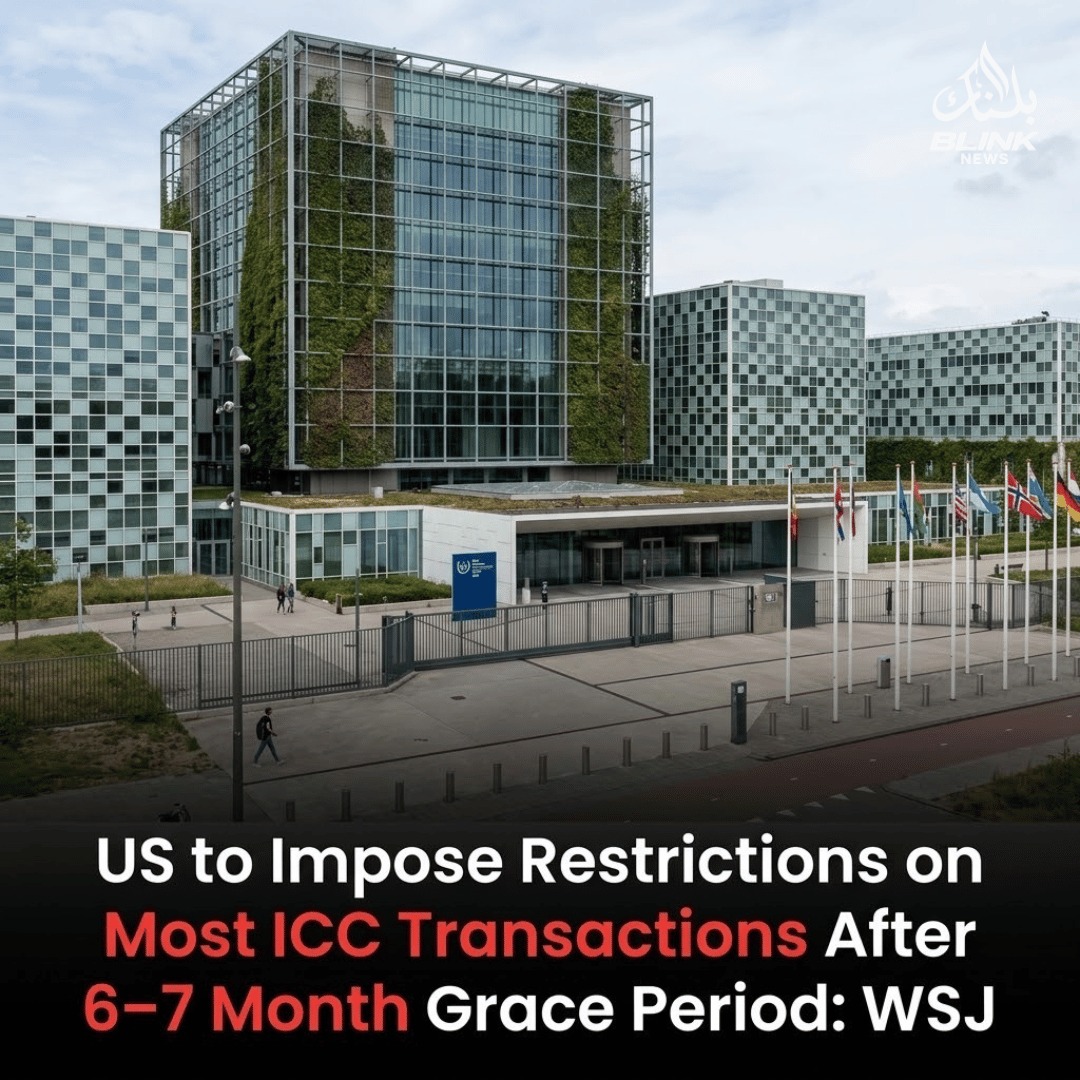
The United States is preparing broader sanctions against the International Criminal Court (ICC), with the proposed measures expected to prohibit most transactions involving the Hague-based tribunal after a six- to seven-month grace period, according to a report by The Wall Street Journal. Reuters, citing the WSJ report, said the proposed restrictions could also affect the ICC’s ability to conduct transactions in U.S. dollars.
The reported plan would represent a significant expansion of existing U.S. measures against the ICC. Previous actions have primarily focused on individual judges, prosecutors and other court officials. The latest proposal would instead target transactions with the institution itself.
US Plans Broader ICC Sanctions
According to documents and U.S. officials cited by The Wall Street Journal, Washington is preparing sanctions that could prohibit most transactions with the International Criminal Court following a six- to seven-month grace period. Reuters said it could not immediately independently verify the WSJ report.
The grace period would give organizations and entities dealing with the ICC several months to adjust their financial and commercial arrangements before the reported restrictions take effect.
The measures could also restrict the court’s access to U.S. dollar transactions. Because the dollar plays a major role in international financial transactions, such restrictions could create operational challenges for an institution that relies on international banking and service providers.
Potential Impact on ICC Operations
The proposed ICC sanctions could affect more than direct financial payments. Reports indicate that restrictions could have implications for payments, financial services, information technology and other services required for the court’s daily operations.
The precise scope of the measures remains subject to the final wording of any U.S. executive action or sanctions announcement. Reuters reported that the details had not been independently verified at the time of its report.
Why Is Washington Targeting the ICC?
The latest developments come amid longstanding tensions between Washington and the International Criminal Court.
The United States is not a member of the ICC and has previously objected to the court exercising jurisdiction over U.S. nationals and citizens of other countries that are not parties to the Rome Statute.
Tensions increased substantially after the ICC issued arrest warrants in 2024 for Israeli Prime Minister Benjamin Netanyahu and former Israeli Defense Minister Yoav Gallant over allegations connected to the Gaza war. The ICC has also pursued investigations involving other situations that have drawn opposition from Washington.
U.S. officials have argued that the ICC’s actions can raise questions involving American sovereignty. The Trump administration has already imposed sanctions on several ICC officials, making the reported institutional sanctions a broader step in Washington’s pressure campaign.
How the New Restrictions Could Differ
Earlier U.S. sanctions were largely directed at specific people associated with the court. The proposed measures described by the WSJ would have a wider institutional focus.
Instead of simply restricting designated ICC officials, the reported plan would target most transactions with the court itself after the grace period.
This distinction could be important for organizations providing financial, technological or other services to the ICC. Depending on the final rules, companies and institutions that currently conduct business with the court could have to review their arrangements and determine whether their activities would fall under the restrictions.
Six to Seven Months of Transition
The reported six- to seven-month grace period would provide a transition window before most restrictions become effective.
Such a period could allow affected organizations to assess contracts, payment systems and other relationships with the ICC. However, the practical effect would depend on the final sanctions framework, exemptions and implementation guidance issued by the U.S. government.
Possible Timing of the Decision
The Wall Street Journal reported that the administration could finalize the measures as soon as this week, during or shortly after the United Nations General Assembly in New York. Other reports have similarly pointed to the UN General Assembly period as a possible timeframe for a decision.
However, no final implementation timetable should be treated as confirmed until the U.S. government formally announces the measures.
The State Department has not provided a definitive public announcement confirming the full reported sanctions package. As a result, important details—including exemptions and the exact scope of prohibited transactions—could still change.
What It Could Mean for the International Criminal Court
If implemented as reported, the restrictions could increase the financial and operational pressure on the ICC.
The court is headquartered in The Hague and depends on international financial and service networks to conduct its work. Restrictions involving U.S. dollars could make certain transactions more complicated, particularly where international institutions or companies are involved.
At the same time, the ultimate impact will depend on how other governments, banks, service providers and international organizations respond to the U.S. measures.
Conclusion
The United States is reportedly preparing a new and broader round of ICC sanctions that would prohibit most transactions with the International Criminal Court after a six- to seven-month grace period. The proposed restrictions could also limit the court’s ability to conduct U.S. dollar transactions, potentially creating wider financial and operational challenges.
For now, the measures remain at the reported preparation stage, and key details will depend on any formal U.S. announcement. The development is nevertheless significant because it would extend Washington’s previous sanctions against individual ICC officials to transactions involving the institution itself.
Frequently Asked Questions
1. What sanctions is the US reportedly preparing against the ICC?
The United States is reportedly preparing sanctions that would prohibit most transactions with the International Criminal Court after a six- to seven-month grace period.
2. When would the proposed ICC restrictions take effect?
According to the WSJ report cited by Reuters, most restrictions would take effect after a six- to seven-month grace period. The exact implementation date would depend on the final U.S. measures.
3. Could the ICC lose access to U.S. dollar transactions?
The reported measures could prevent the ICC from conducting transactions in U.S. dollars, although the precise scope would depend on the final sanctions rules.
4. Why is the United States targeting the International Criminal Court?
The move follows years of disagreement between Washington and the ICC, including disputes over the court’s jurisdiction and its investigations and arrest warrants involving Israeli officials.
5. Have the reported sanctions been officially implemented?
No. The reports describe sanctions that the Trump administration is preparing. Reuters said it could not immediately independently verify the Wall Street Journal report, so the final scope and implementation details remain subject to official confirmation.