
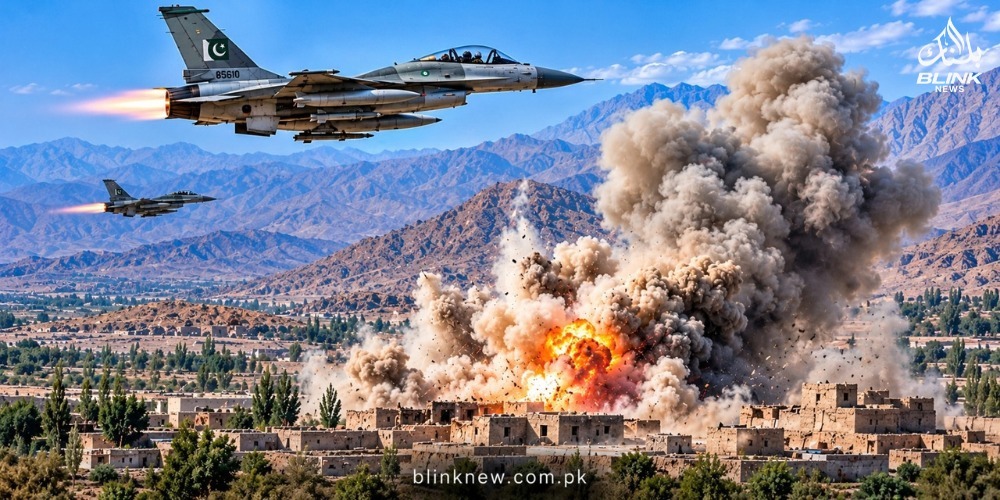
Pakistan has reportedly conducted airstrikes against two alleged terrorist camps in Afghanistan, highlighting growing security concerns along the Pakistan-Afghanistan border. The reported operation comes amid continued concerns over militant activity and cross-border attacks affecting Pakistan’s security environment.
According to the supplied report, the Pakistan airstrikes in Afghanistan focused on two locations described as terrorist camps. Details about the exact locations, the groups allegedly operating from the sites, and casualties were not independently verified for this report.
The development is likely to draw attention to the broader security relationship between Islamabad and Kabul, particularly over allegations that armed groups are using Afghan territory to plan or support attacks against Pakistan.
Pakistan Airstrikes in Afghanistan: What Is Reported
The reported strikes targeted two camps identified as militant or terrorist facilities. Such operations are generally presented by Pakistan as part of efforts to counter threats originating from across the border.
However, operational details surrounding the reported Pakistan airstrikes in Afghanistan remain limited. Information about the type of aircraft or weapons used, the precise locations of the targets, and the extent of damage has not been independently confirmed in the information available for this article.
Security-related reports can develop rapidly, and initial claims may later be revised by official statements or independent investigations.
Rising Security Concerns Along the Border
Pakistan and Afghanistan share a long and complex border, where security has remained a major issue for both countries. Islamabad has repeatedly raised concerns about militant groups allegedly operating from Afghan territory.
Pakistan has also linked some attacks inside the country to armed groups that it says maintain hideouts or support networks across the border. Afghan authorities have previously rejected or disputed various Pakistani allegations concerning militant activity on Afghan soil.
The issue has therefore remained one of the most sensitive areas in relations between the two neighboring countries.
Why the Reported Operation Matters
The reported airstrikes are significant because military action across an international border can have wider diplomatic and security consequences.
For Pakistan, preventing attacks against civilians, security personnel, and strategic locations remains a central national security concern. The government and security institutions have repeatedly emphasized counterterrorism measures as part of efforts to address militant threats.
For Afghanistan, reports of foreign military action on its territory raise questions about sovereignty and bilateral relations. Kabul’s response to the reported operation will therefore be closely watched.
The situation also has implications for communities living near the border, where military activity and security restrictions can affect daily life and movement.
Pakistan-Afghanistan Relations Under Security Pressure
Relations between Islamabad and Kabul have faced repeated challenges linked to terrorism, border management, refugee issues, and political disagreements.
Pakistan has called for stronger action against militant organizations that it believes are using Afghan territory. Afghan authorities, meanwhile, have emphasized that Afghanistan should not be used as a base for attacks against neighboring countries.
The disagreement over security allegations has contributed to tensions between the two governments.
The latest Pakistan airstrikes in Afghanistan could add another layer to these existing concerns, particularly if both sides issue conflicting accounts of the targets or circumstances surrounding the operation.
Regional Security and Counterterrorism Concerns
The reported development also comes within a wider regional security environment in which militant organizations and armed groups remain a concern.
Pakistan has continued to strengthen counterterrorism efforts and border security measures. Security operations can include intelligence-based actions, military operations, increased surveillance, and measures designed to prevent militant movement across border areas.
At the same time, regional stability depends heavily on communication between neighboring governments. Diplomatic engagement can play an important role in addressing disagreements and preventing individual security incidents from developing into broader confrontation.
International observers and regional stakeholders are likely to monitor developments closely as more information becomes available.
What Happens Next?
The next stage will depend on official statements from Pakistani and Afghan authorities and any independently verified information concerning the reported strikes.
Further details could clarify the identity of the alleged terrorist camps, the groups reportedly associated with them, and whether casualties or infrastructure damage occurred.
For readers following the story through BlinkNews, it is important to distinguish confirmed official information from preliminary claims circulating during a developing security situation.
Conclusion
The reported Pakistan airstrikes in Afghanistan represent a significant development in the already sensitive security relationship between Pakistan and Afghanistan. The alleged targeting of two terrorist camps underlines Islamabad’s continuing concerns about militant activity and cross-border security threats.
However, several operational details remain unverified, including the exact locations, casualties, and identities of those allegedly targeted. Further official statements and independently confirmed reporting will be important in establishing the full picture.
BlinkNews will continue to track developments surrounding Pakistan-Afghanistan security relations and provide updates as verified information becomes available.